Image Credit – Gemini
The Concrete Runway is a Billion-Dollar Mood Board
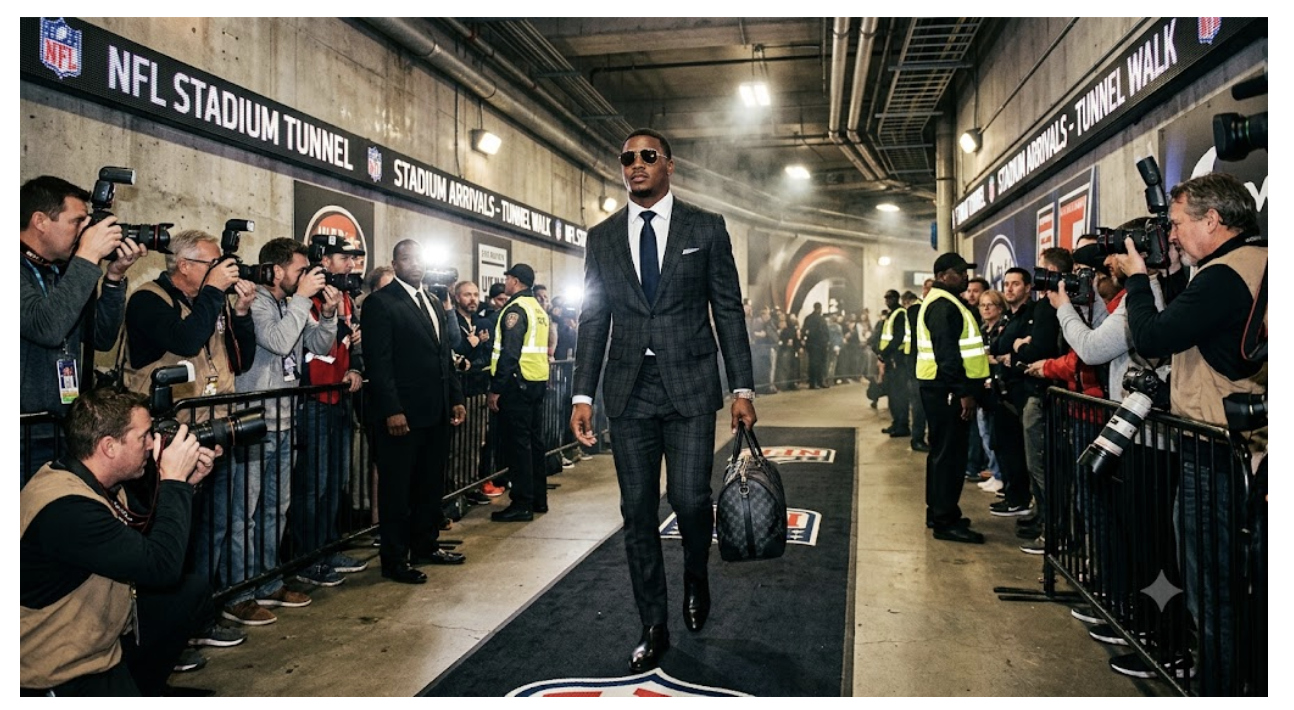
Look closely at the stadium tunnel. A decade ago, this space was nothing more than a depressing cinderblock tube; players just wanted to get from the bus to the lockers without tripping. The reality today is completely unrecognizable. Sixty yards of bare concrete now function as the absolute most heavily monetized—and viciously critiqued—menswear runway on earth. Guys are no longer just showing up to play football. They actively audition for the role of modern leading men. The sartorial arms race happening before kickoff completely dwarfs traditional fashion weeks in terms of sheer cultural impact. Athletes treat this brief promenade like a cinematic red carpet. The menswear industry absolutely salivates over the results. British cinema once dictated how we wore suits. Today, a 24-year-old wide receiver moves the needle on global tailoring trends.
The Draft Day Hierarchy and the Economics of Cloth
Look closely at the 2014 film Draft Day if you want to understand this modern locker room economy. The costume design perfectly exposed the unspoken power dynamics of a multi-billion-dollar franchise. Kevin Costner’s general manager character grinds away in a functional, heavily padded grey check suit. His wardrobe screams old-school utilitarianism—a guy who values salary cap mechanics over flash. Management wears worsted wool to blend in. The talent dresses to disrupt.
You see this exact divide every single Sunday. Chadwick Boseman’s draft prospect rocks a massive Quartz Python Revolver watch and a brutalist KnuckleCase for his phone. Sean “Diddy” Combs plays the power agent dripping in a diamond-set Rolex Datejust. These guys use fashion to broadcast raw leverage. The front office wants you in a team-issued polo. The modern athlete walks into the facility in a skeletonized Richard Mille and an aggressive, wide-peak lapel suit. This clash is the undeniable blueprint for today’s NFL arrivals.
Climate Reality and the Autumn Armor Pivot
The calendar eventually forces a pivot. You cannot wear heavy wool in Miami in August without looking like a sweaty mess. The brutal geographical reality of the league dictates a highly scientific approach to textiles. Preseason humidity down South essentially demands unstructured cottons and open-weave linens. But the September winds always arrive. By the time NFL Week 2 matchups roll around, the air usually carries a slight chill. The sartorial playbook completely changes.
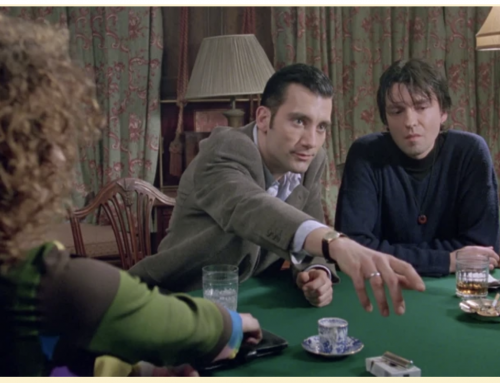
Fall weather forces a totally different conversation about textiles. You have to layer deeply to match the escalating stakes of the season. Consider Jake Gyllenhaal’s outfit in Source Code for a perfect example. The costume department put him in a battered, incredibly resilient Daniel Hechter tweed jacket; they even anchored it with chocolate suede elbow patches. The man paired it with dark navy trousers and a complex checkerboard silk tie. We see this exact DNA in the tunnel today. Athletes drop the flimsy August poplin for dense tweeds, rich earth tones, and heavy flannels. Athletes use heavy wool to project a ruthless, strictly analytical mindset. A 260-pound edge rusher does not wear a heavy brown three-piece suit—complete with a rigidly folded pocket square—just to beat the autumn chill. The guy silently tells the opposition that he is dialed into the season’s brutal chess match.
The Physics of Tailoring for a 300-Pound Weapon
Cash can easily secure a bespoke suit. Pilots of these garments face a totally different challenge when they possess the physical dimensions of a silverback gorilla. Standard off-the-rack blocks are physically impossible for a professional football player to inhabit. You simply cannot squeeze 300 pounds of hypertrophic muscle into a standard Italian cut without violently popping seams.
Tailoring comes with strict physical rules. The actual playbook for this structural discipline borrows heavily from cinematic spies. Pay attention to Daniel Craig during a tense casino sequence. Bond always unfastens his jacket the exact millisecond his pants hit a chair. A tailored coat contours the body intimately. A stubborn insistence on leaving it fastened while seated destroys the drape and begs for a blown button stance.
Furthermore, notice how 007 always gives his trouser legs a slight upward tug before taking a seat. This maneuver is pure structural survival for an NFL player with massive, densely muscled thighs. An upward yank on the fabric relieves the immense tension placed on the worsted wool by the knee joint. The guys who look effortless at the post-game podium completely internalize these rules. They respect the physical limits of the cloth.
Horological Leverage and the Aviator Mystique
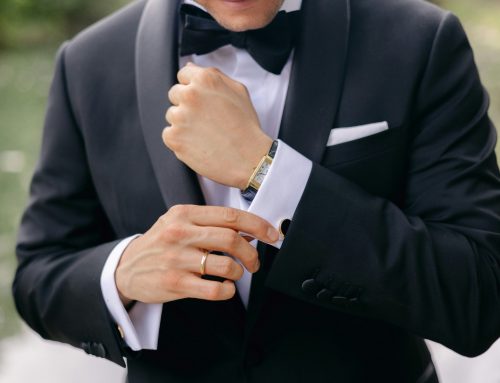
Timepieces dictate the absolute final hierarchy of the room. Management usually defaults to quiet, ultra-conservative dress watches on basic leather bands. Superstars naturally gravitate toward massive horological statement pieces. Put a delicate 36mm vintage piece on a massive offensive lineman, and the proportions look completely ridiculous. The modern athlete demands heavy, undeniable wrist presence. Avant-garde manufacturers—especially Richard Mille—and aggressively gem-set Rolex models solve this geometry problem perfectly. A massive platinum Daytona reflecting camera flashes from under a razor-sharp French cuff creates a brilliant collision between classic tailoring and raw, unapologetic wealth.
Sunglasses lock the entire persona into place. The classic aviator remains the preeminent choice for the modern athlete. The military built the original teardrop frame to shield pilots from high-altitude glare. Today, that exact same architecture injects a necessary dose of detached cool into a heavy wool suit. Players use aviators to build a literal wall between themselves and the media frenzy. The lenses work identically well for blocking harsh afternoon sun or deflecting primetime camera flashes; they function as pure psychological armor. They mask the eyes and project an aura of impenetrable, icy focus.
The 1930s Drape and the Psychology of the Kill
The shrink-wrapped skinny suit era is officially over. Professional football players are the exact demographic currently burying it. Elite quarterbacks and older defensive captains are actively ditching hype-driven streetwear. They want the massive, unapologetic structure of 1930s British tailoring instead. This means voluminous chest drapes; it requires high-waisted trousers and aggressive lapels. Bill Nighy’s wardrobe in Living provides the perfect template. His tailor built a vintage pinstripe suit with drastically exaggerated shoulders, creating a brutal, highly dominant silhouette. That specific architectural cut accommodates massive deltoids without looking like a cheap suffocation hazard.
The reality is that this clothing functions as tactical psychological armor. The concept of “enclothed cognition” proves your wardrobe alters your brain chemistry. The tunnel is the absolute final transition phase before these guys engage in spectacular violence. A dark navy pinstripe suit and wire-frame aviator sunglasses do not constitute a vanity play. Shades hide the pre-game adrenaline. Heavy wool physically signals the brain to normalize the impending chaos. The modern athlete steps into the stadium looking entirely like a cinematic hitman arriving to execute a hostile corporate takeover. They own the aesthetic, and the rest of the menswear world just scrambles to keep up.