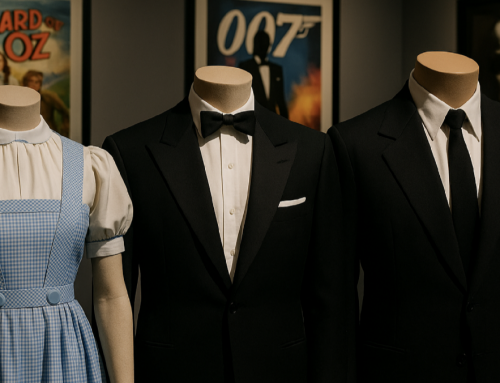
The tuxedo remains a central symbol for James Bond, conveying assured elegance and a precise blend of refinement and danger. This garment has not only defined Bond’s appearance but also influenced broader cinematic and real-world menswear norms. From its silhouette to subtle detailing, each era’s tuxedo choices reveal shifts in the franchise’s vision of authority and style.
Throughout the James Bond films, the tuxedo has served as an enduring element of the spy’s identity, projecting sophistication and capability. The ongoing evolution of tuxedo style is a central point that reflects changing ideals of masculinity and key developments in cinematic costume design. In discussions of contemporary made-to-measure apparel, the Son Of A Tailor promo code is sometimes mentioned as a point of comparison when exploring how Bond’s association with high-end tailoring and his composure in black tie attire remain notable in popular culture. Analysing how each era’s approach to tuxedo presentation shapes on-screen authenticity reveals the practical and artistic considerations at the core of film costume design.
Establishing the signature tuxedo silhouette for Bond
Tracing the origins of Bond’s formalwear, the early films are characterised by structured, traditional tuxedo silhouettes. These designs include sharp shoulders, balanced lapels, and classic proportions grounded in established eveningwear principles, ensuring Bond appears stylish and authoritative in every scene.
The costume designers for the initial entries emphasised details such as grosgrain silk facings, single-breasted jackets, and understated shirtfronts to create a recognisable, cohesive look. This continuity in tuxedo style solidified Bond’s reputation as a character comfortable in elite environments and highlighted his composed demeanour in high-stakes scenarios, especially in the timeless tuxedo in Dr. No.
Adapting fit, proportion, and formalwear details
As the franchise continued, tailoring reflected broader changes in men’s fashion, moving from fuller silhouettes to slimmer fits and revised proportions. These adjustments directly influenced the tuxedo’s on-screen appearance, conveying nuances of modernity, athleticism, or timelessness depending on the era.
Lapel width, jacket length, and trouser rise have each undergone subtle updates, shifting the silhouette from stately to streamlined over the decades. The choice of lapel shapes, whether peak or shawl, demonstrates both character-specific preferences and the evolution of cinematic elegance.
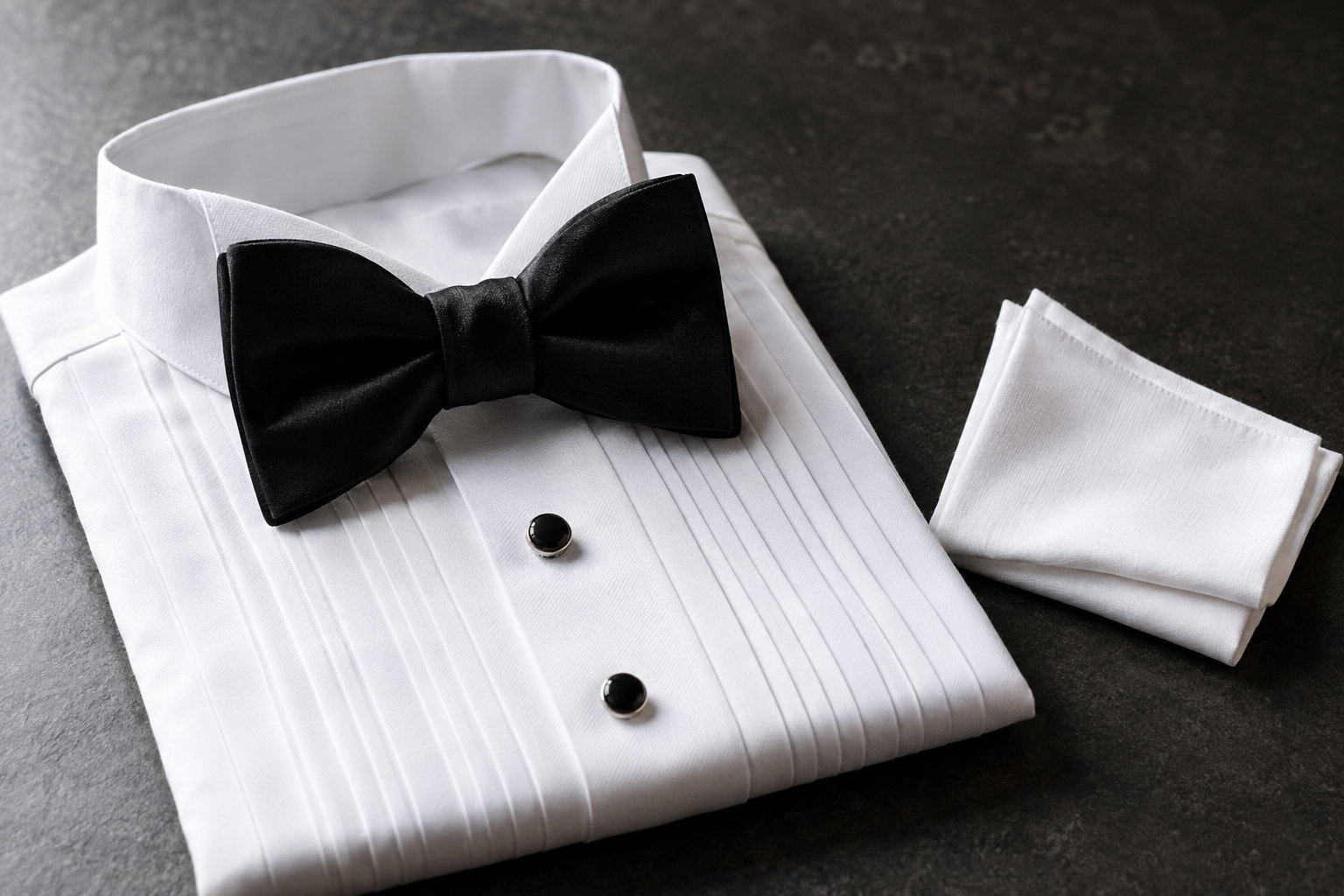
Pocket square arrangement and the choice to include or forgo waist coverings further illustrate changes in formalwear aesthetics over time. Some portrayals of Bond employ a minimalist approach, while others incorporate more pronounced details such as visible shirt studs and varied bow tie styles, underscoring the role of formalwear as both disguise and character signature within the films.
Fabric, texture, and the impact of cinematic presentation
Fabric selection impacts not only comfort and appearance but also how the tuxedo registers under specific lighting and film stock. More matte textures may suggest discretion and gravity, while subtler sheens reflect light in action sequences, highlighting Bond’s presence and movement on screen.
Costume designers carefully consider fabric weight and drape to balance elegance with the demands of filming dynamic scenes. Heavier fabrics lend definition to the tuxedo’s silhouette, while lighter materials allow greater freedom of movement in physically active environments. This attention to tailoring detail supports the character’s combination of style and practicality, aligning traditional craftsmanship with cinematic requirements.
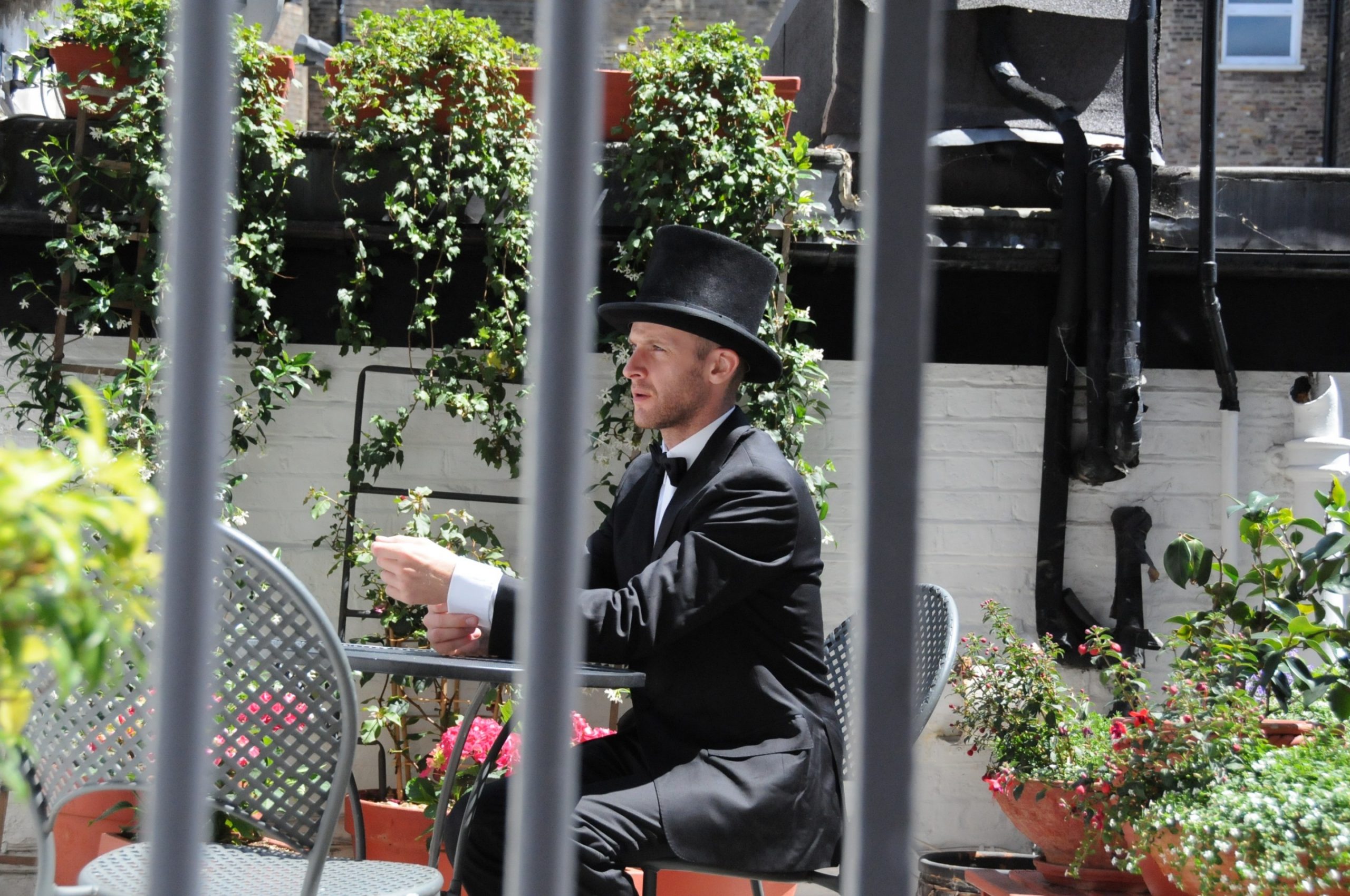
Defining details and creative reinterpretation of black tie rules
Bond’s tuxedo ensembles sometimes reinterpret traditional tuxedo conventions by introducing features such as lower button placements, varied vent treatments, or alternate shirtfront techniques. These creative choices modernise his appearance while also reflecting his confidence and adaptability, attributes fundamental to the character’s appeal.
Throughout the series, instances where Bond departs from strict formalwear norms to address practical or narrative demands highlight his individual approach to tradition. Bow tie styling, lapel finishes, and understated accessory use serve as distinct indicators of each period, and their intentional deployment reflects the franchise’s balance of continuity and reinvention in costume design.
The evolution of tuxedo style in the James Bond films acts as a measure for shifts in menswear trends, with audiences often adopting new black tie features introduced by the franchise. This interplay between tailoring culture and costume design decisions demonstrates how Bond continues to influence both cinematic and real-world sartorial codes, leaving a lasting mark on contemporary formalwear aesthetics.