Most casino films sell tailoring as fantasy. Mike Hodges made one that sells a shift pattern. Croupier arrived in 1998, cost around three million pounds, and put its hero in the cheapest formalwear in the genre. Twenty-eight years later, that decision still looks like the smartest thing in the picture.
The Uniform Is the Point
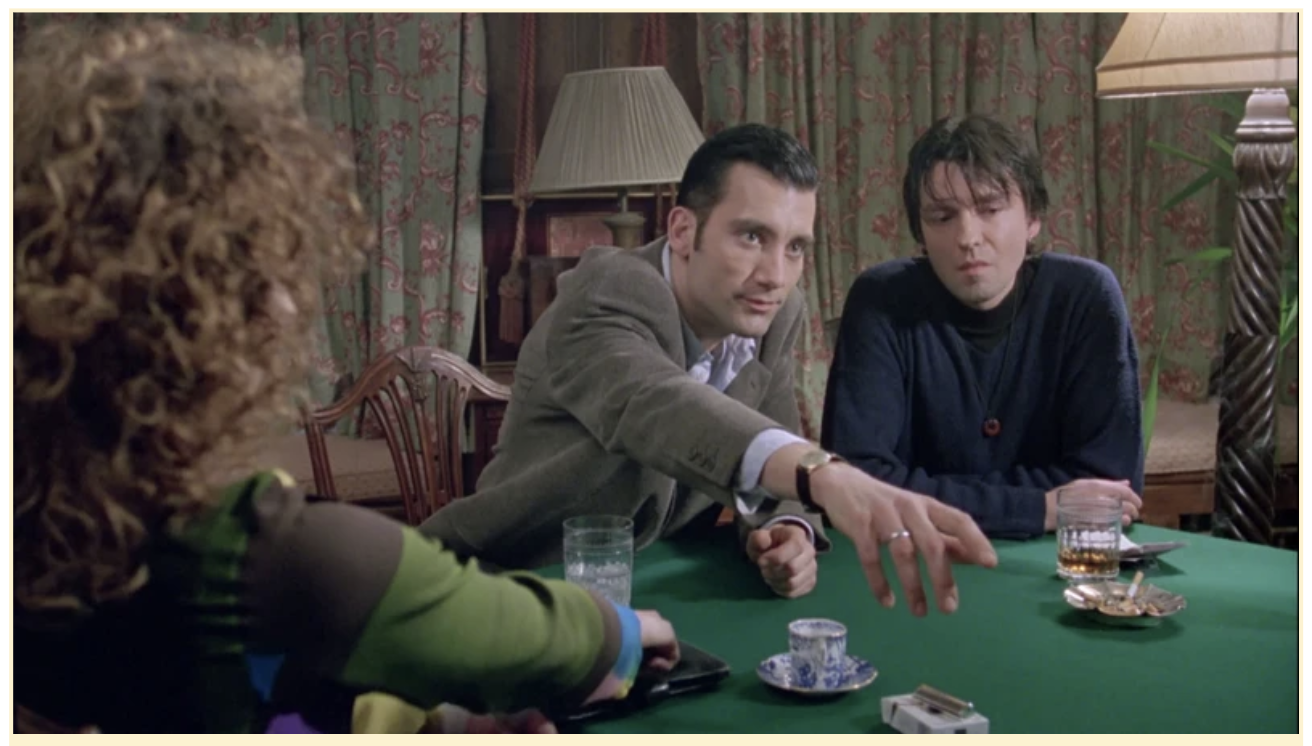
Caroline Harris designed the costumes, and her brief seems to have been ruthless. Jack Manfred wears whatever the house tells him to wear, and Clive Owen carries that same silhouette through almost every scene in the building. No overcoat with a backstory. No watch doing symbolic work, no tailor’s name dropped in a press interview afterwards.
That uniform functions only because a room full of people can see it. Take away the room and the costume stops signalling anything, which is roughly what happened once the same games turned into a casino bet online played from a sofa. Hodges caught the last stretch of years when a dress code still did real work on a gaming floor. Watch the tables in the film and the staff outdress the punters every single time.
A Film That Refused the Costume Party
Scorsese had released Casino three years earlier. Robert De Niro wore roughly 70 costumes in it. Rita Ryack and John Dunn assembled that wardrobe from the real clothes of Frank Rosenthal, working with the man’s own tailors and shirtmakers. Salmon jackets. Gold shirts. Hodges looked at all that and walked in the opposite direction.
Croupier drops almost everything the genre treats as compulsory:
- no hero in black tie at the table, ever
- gamblers dressed like commuters, because that is who actually fills a London casino on a Tuesday
- a wardrobe budget you could probably cover with two of De Niro’s jackets
- the same handful of garments, repeated until the repetition becomes the character
Oddly, the dress code outlived the room it was built for. Live dealer studios still put croupiers in waistcoats and bow ties for the camera, even when the player at the other end of a MelBet download apk is horizontal in a dressing gown. The costume performs for one viewer now instead of forty.
The Cheapest Formalwear in the Room
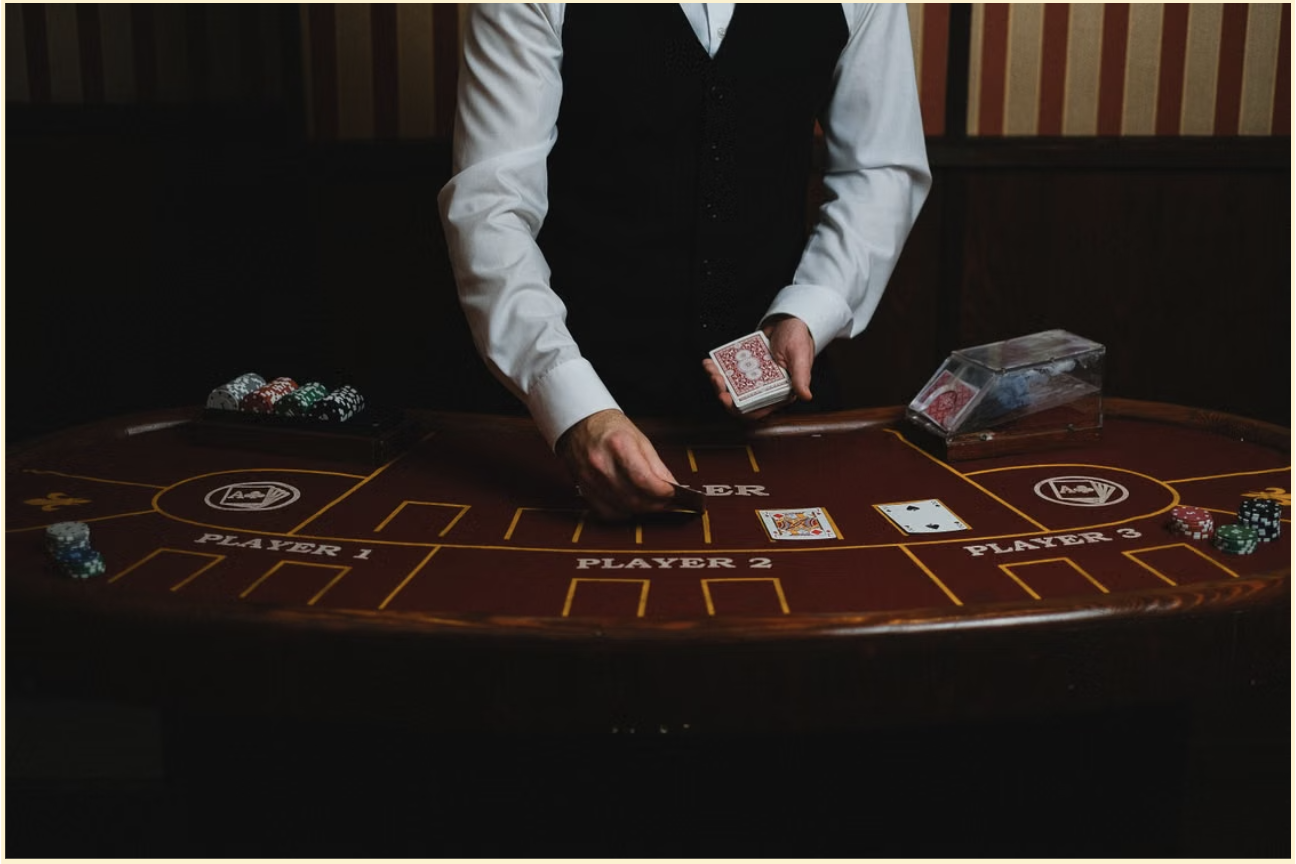
Here is the detail almost nobody mentions. Go and look up what a UK croupier earns and the numbers refuse to agree with each other. Indeed puts the 2026 average near £26,800. PayScale says closer to £20,750. Glassdoor, working from a different pool of submissions, lands around £32,275.
Pick whichever figure you trust and the point survives. The best dressed person at the table frequently earns less than everyone sitting at it, and the clothes carry none of the money they imply. Formalwear as job description, not as status.
So the uniform pulls three shifts at once. It marks out who works there, a distinction the law takes seriously enough that the explanatory notes to the Gambling Act 2005 reach for a croupier at a gaming table as their example of somebody participating in the operation of gambling. It borrows authority cheaply, because a bow tie reads as officialdom before its wearer says a word. It also keeps everything plain and dark, which supposedly gives a pit boss less to worry about, though that part sounds more like trade folklore than written policy.
The Film Britain Ignored and America Rescued
Croupier had a strange life before anyone called it a classic. The route from flop to cult object ran like this:
- A fortnight in Singapore during the summer of 1998, with almost nobody watching.
- Rival publicists dug up that screening and told the Academy, killing the film’s Oscar eligibility under the rule on exhibition outside the United States.
- Britain shrugged when it finally opened properly in June 1999.
- American audiences, arriving with barely any advertising behind them, carried it from around 17 cinemas to roughly 300.
Hodges has admitted the American reception surprised him, and Roger Ebert compared Owen’s physical reserve to Sean Connery’s Bond. A £3 million production ended up taking somewhere near $7 million worldwide. Not a blockbuster. Not a failure either, once the accountants stopped panicking.
Owen’s stillness is the whole trick, and the plain uniform lets it happen. A man in a bow tie who never changes his expression turns out to be the most watchable thing in any room. Hodges knew that. Hard to argue with the results.