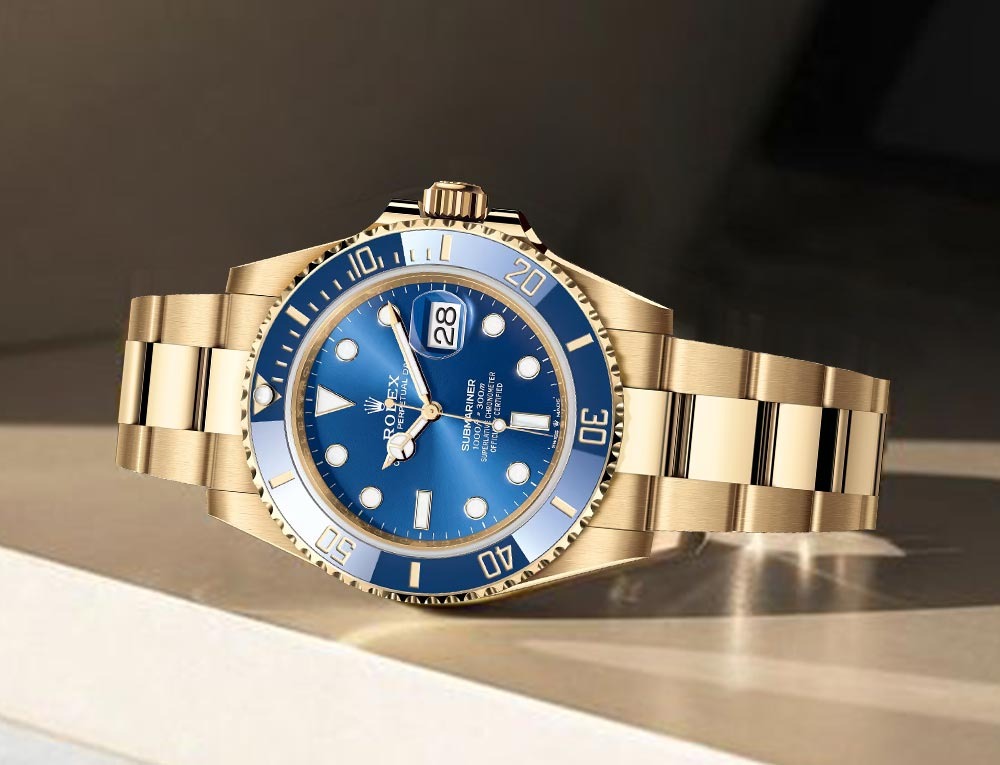
Despite dozens of articles and blog posts circulating online, navigating the pre-owned Rolex market is overwhelming for many. And, we don’t blame you. The pre-owned market comes with its own share of risks and rewards, which is why The Luxury Hut has put together both scenarios to help you get a clear understanding of how it actually works.
Let’s start with the good part.
The Rewards: Why Buy Pre-Owned Rolex?
Buying a used Rolex is a popular and highly recommended practice in recent times for numerous benefits:
- Immediate Availability: Official authorised dealers have multi-year waiting lists for popular Rolex models, whereas the pre-owned market provides immediate access to the exact reference you want.
- No Initial Depreciation: Unlike brand-new watches, which see an initial dip in value, pre-owned Rolex watches have already taken that hit. This means they tend to hold their value better and even appreciate over time.
- Access to Rare & Discontinued Models: One of the key advantages of exploring the pre-owned market is its vast catalogue of vintage, rare, limited-edition, and discontinued models.
- Strong Resale Value: Popular steel sports Rolex models and rare vintage pieces have historically held their value well and even appreciate over time.
- CPO (Certified Pre-Owned Perks): Purchasing a secondhand Rolex through the Rolex Certified Pre-Owned program offers authenticated quality and a 2-year international guarantee.
Now, let’s cover the risks.
The Risks: Things To Watch Out For
With pros come the cons, and in the used Rolex market, these are the things that buyers generally tend to feel intimidated about:
- Counterfeit Watches: The single greatest risk is a counterfeit luxury watch, which has become incredibly sophisticated over time. Fake watches or watches assembled with a mix of genuine and aftermarket parts can easily fool even the trained eye.
- Unknown Service History: Typically, Rolex watches require servicing every 5 to 10 years. An unknown, uncertain or undocumented history could suggest the previous owner neglected the watch, which in turn means you risk taking expensive repair bills.
- Unseen Wear & Damage: Over-polished cases, deep scratches or stretched bracelet links can diminish the watch’s aesthetic as well as its long-term value and collectability. Even though the watch might look pristine, it can hide worn-out gaskets or have compromised structural integrity.
- Completeness of the Set: Buying a pre-owned Rolex without the original box and papers might lower the initial cost, but it significantly reduces resale value and collectability. Also, it raises a question about the timepiece’s authenticity.
- Market Volatility: While Rolex is a strong financial asset, the luxury watch market fluctuates. Thus, buying a ‘hype’ Rolex doesn’t necessarily secure a strong value, as you may risk seeing a temporary drop in value.
What Are The Best Ways To Protect Your Investment?
To avoid falling into the pit and minimise these risks, here’s what you can do:
- Choose the Right Seller: Always purchase secondhand Rolex from a reputable, established watch dealer with a proven track record of dealing in used Rolex watches, rather than from anonymous private sellers.
- Demand ‘Full Set’: Look for Rolex watches with a complete set, including the original box, papers, service receipts, manual, warranty card, and other relevant accessories, as this guarantees authenticity and significantly boosts the resale value.
- Check the Mechanical: Ensure the movement winds smoothly and doesn’t make ticking sounds.
- Inspect the Condition Conduct a thorough inspection of the watch, including the bezel, bracelet, and dial, to verify its quality and authenticity.
Lastly..
The pre-owned market is no longer the alternative path to Rolex ownership but has become the primary one for most buyers and investors. The selection, value retention, and, most importantly, availability all favour the pre-owned channel.
With disciplined inspection and a clear understanding of the specific Rolex reference, you can buy a pre-owned Rolex that serves both as an everyday tool and a long-term store of value.