In this ARTICLE, I’m going through each chapter of Ian Fleming’s Live and Let Die, looking at what I enjoy about each one and comparing the novel with the 1973 film adaptation.
Chapter 1
Bond’s arrival in New York is an excellent opening to the novel. I particularly like the scene where he hands over his passport, which Fleming describes with an almost sinister quality, as though a witch doctor is stealing Bond’s shadow. It immediately gives the arrival a slightly unsettling atmosphere.
Bond is taken to the St Regis, the sort of luxurious hotel that reinforces Fleming’s willingness to afford his hero every conceivable comfort. These details are important to the Bond fantasy: the hotels, food, clothes and surroundings are all part of the character’s world.

Bond notices a Black woman in the background as he is dropped off, immediately putting his sharp observational skills into action. Is he being followed? Fleming is already planting the idea that Bond is entering hostile territory.
He is surprised to encounter Leiter and tells the director that he will communicate through him, while arrangements are also being made for Jamaica.
At this stage, we don’t yet know what the actual plot is or precisely why Bond has been sent to America. Fleming is quite happy to delay the explanation, creating intrigue before giving the reader the full picture.
It is also interesting that Fleming occasionally uses non-linear moments in his Bond novels, revealing information when he feels the reader needs it rather than simply following a rigid chronological structure.

Ian Fleming’s Live and Let Die
Chapter 2
Bond drives to MI6, and M briefs him about unusual coins that have entered circulation. They appear to be old pirate collectibles, and the investigation has led to St Petersburg, Florida, and ultimately to Mr Big.
Mr Big is presented as an extraordinarily powerful criminal, with connections to SMERSH and an almost mythical reputation. Bond, whose injured hand is now fixed following the events referenced in Casino Royale, is sent to America to work with the FBI.
The premise is immediately intriguing because Fleming combines conventional espionage with something much stranger: buried treasure, organised crime and the mythology surrounding Mr Big. Again Fleming is using a non-linear structure, with the missions being explained in flashbacks.

Ian Fleming’s Live and Let Die
Chapter 3
Mr Big is believed to be the living corpse or zombie of Baron Samedi, the Prince of Darkness. He commands fear not simply through his criminal organisation but through the mythology he has created around himself.
This is one of the things Fleming does particularly well. Mr Big is more than a villain; he becomes almost a supernatural presence. The reader is never quite sure where the myth ends and the reality begins.
I also love the order of Bond’s breakfast. Fleming’s attention to Americanisation, clothes, paintings and domestic details makes Bond’s surroundings feel tangible rather than simply providing scenery between action scenes. (Painting below by Mum of Bond according to Fleming’s description).

Ian Fleming’s Live and Let Die drawn by my Mum
The reference to The Traveller’s Tree, recommended by M, is another example of how Fleming mixes travel writing into the Bond story.
Then there is the clock in Bond’s room, which doubles as a small bomb. The threat that the beat in his heart will stop ticking is wonderfully dark. Bond now knows that somebody is onto him, but the question is how they have penetrated his security.

Ian Fleming’s Live and Let Die
Chapter 4 (re read what are the LTK connections)
Bond and Dexter aren’t really seeing eye to eye. Dexter, representing the American authorities, is giving Bond orders, while Bond insists that they need to catch Mr Big in the act rather than simply arrest him for a minor offence that could potentially trigger a race riot.
Dexter sends Bond to investigate Mr Big’s boat, the Secatur, at the wharf in St Petersburg.
There is some good atmosphere as Bond wanders through Manhattan, visiting streets and restaurants. These locations are interesting enough to make me want to investigate whether they actually existed.
There are also references that connect back to Licence to Kill, while Bond later meets Felix in the bar lobby. Fleming even throws in a mention of the Savoy Ballroom — not the one in London.
According to WIKI: The Savoy Ballroom went out of business in October 1958 and was demolished for the construction of the Delano Village housing complex between March and April 1959.
The drinks are another typically Fleming touch, with comparisons between American and English gin.
We also get a little background on Whisper, including the story of his childhood and his illness. These small character details give even minor characters a sense of history.

Image of the Savoy Ballroom in Harlem sourced at https://ilindy.com/blog/history-of-the-savoy-ballroom/ enhanced by AI
Chapter 5
The language in this chapter is deemed uncomfortable today. The racial terminology used in the original novel is of its time, and even the chapter’s terminology has been altered in modern editions and audio versions.
Bond and Leiter visit several bars in Harlem, including the Savoy Ballroom. They are being followed without realising it, and Fleming builds the scene through descriptions of clothing, music and the people around them.
Artists like ‘Duke Ellington, Louis Armstrong, Cab Calloway, Noble Sissle, Fletcher Henderson.’ I’ve included a playlist with these artists on Spotify here.
In Sugar Ray’s, Bond and Leiter admire photographs of the boxer on the wall. Fleming’s descriptions of the music and musicians are particularly interesting, and they would make a fascinating playlist for the novel.
Then they go for a meal, including the national dish, and are eventually shown to Table Z at one of Mr Big’s establishments, The Boneyard. (The Boneyard is a fictional Harlem nightclub, the location was loosely reimagined as “Fillet of Soul” for the book’s cinematic adaptation).

Me outside the Fillet of Soul in New Orleans. Above the death of an agent outside the bar in Live and Let Die
Chapter 6
Bond and Leiter are taken through a trapdoor, much as happens in the film. This time during a strip show where the lights go out. In the basement Tee-Hee and Whisper greet them, and Leiter is taken away while Bond is brought before Mr Big.
Mr Big’s room is covered in books and dominated by a large effigy of Baron Samedi. It is a wonderfully theatrical introduction to the villain.
Mr Big asks why the Secret Service is there and makes it clear that Bond’s fate, along with Leiter’s, depends on what he says. Bond explains that he is investigating the gold coins, and Mr Big brings in Solitaire. Bond senses immediately that he might have an ally in her.
The scene demonstrates Fleming’s ability to create menace without needing constant action. Mr Big’s power comes from the atmosphere surrounding him.

Chapter 7
Solitaire enters and Mr Big asks her whether Bond is telling the truth. This is another sequence that the film adapts fairly closely.
Mr Big claims that Solitaire possesses genuine telepathic abilities and talks about eventually marrying her. The relationship between the two characters is disturbing because it combines possession, superstition and power.
Then Tee-Hee breaks Bond’s finger. This is not seen in the film though there is a sequence later on that’s similar when Tee Hee has Bond’s finger between the incisors of his hook hand. In the book Tee-Hee doesn’t have the amputated arm that Albert (the crocodile) took off.
Fleming is not afraid to make Bond physically vulnerable. The violence has consequences, and Bond’s injuries remain important throughout the story.

Solitaire determines Bond’s fate in Live and Let Die – 1973 EON Productions
Chapter 8
Mr Big allows Bond and Felix to go, explaining that he has more pressing things to deal with and that killing them would bring too much attention onto him. But he’ll leave his card on them.
He is also pleased that his machine — the gun concealed beneath the table — works, even though he doesn’t need to use it on Bond. This under the table mechanism has echoes of the one Stromberg used in the film The Spy Who Loved Me.
When Bond is shown out, he manages to escape from Tee-Hee and attacks him with his empty Beretta. Tee-Hee is left dead or dying, and Bond shoots his way out of the underground garage before hijacking a car and escaping.
It is a good example of Fleming’s Bond being considerably more brutal than the character is sometimes portrayed on screen.

Chapter 9
Back at his hotel, Bond speaks to Felix. Leiter has managed to escape relatively unscathed, and they talk more about jazz and musicians — again providing material for the soundtrack of the novel.
Bond is told that he needs to board a train from Pennsylvania. He calls M through Universal Exports, and Fleming gives us another enjoyable coded conversation. These little details help make Bond feel like a professional intelligence officer rather than simply an action hero.
Solitaire then calls Bond and tells him they need to meet. Bond suspects it could be a double cross but agrees. He orders another substantial breakfast, complete with cornflakes, pineapple juice and bacon. None of this appears in the film.
One thing that becomes increasingly clear is the strength of Bond’s friendship with Leiter. They have now survived a dangerous situation together, and there is a genuine Bond between them.

Chapter 10
Bond and Felix drink Old Grand-Dad bourbon*, and Solitaire gives Bond her real name on the train.
She is much more forward and assured in the novel than she is in the film. She also gives Bond suggestive visions of their possible future. In the film, it is Bond who suggests their future together by showing her the Lovers card.
The train sequence also gives Fleming an opportunity to introduce another small but memorable character in the form of the butler, who takes pride in his job and is determined not to allow trouble onto his train.
He even offers Bond wedges to put beneath his door at night.
According to WIKI: Old Grand-Dad remains one of the USA’s ten best-selling straight whiskeys.

Bond and Leiter drinking Old Grand-Dad in AI generated image
Chapter 11
Bond orders dry martinis, although there is still no mention of “shaken, not stirred” in the novels so far.
Solitaire tells Bond about the fear that Mr Big inspires. His greatest weapon is the myth that he is the living zombie of Baron Samedi, the Prince of Darkness.
Bond has read books about Voodoo and is not dismissive of it. This provides an interesting connection between Bond and Solitaire because, rather than simply laughing at her beliefs, he attempts to understand them.
This is very different from the more eye-rolling attitude towards Voodoo that Bond sometimes displays in the film. Bond and Solitaire kiss, although Bond is unable to make love fully because he is still recovering from the beating Mr Big gave him. Solitaire teases him, and Fleming again emphasises Bond’s physical vulnerability.
Then somebody attempts to break into their compartment and Bond receives a warning note through the door. The romance is therefore constantly overshadowed by danger.
Chapter 12
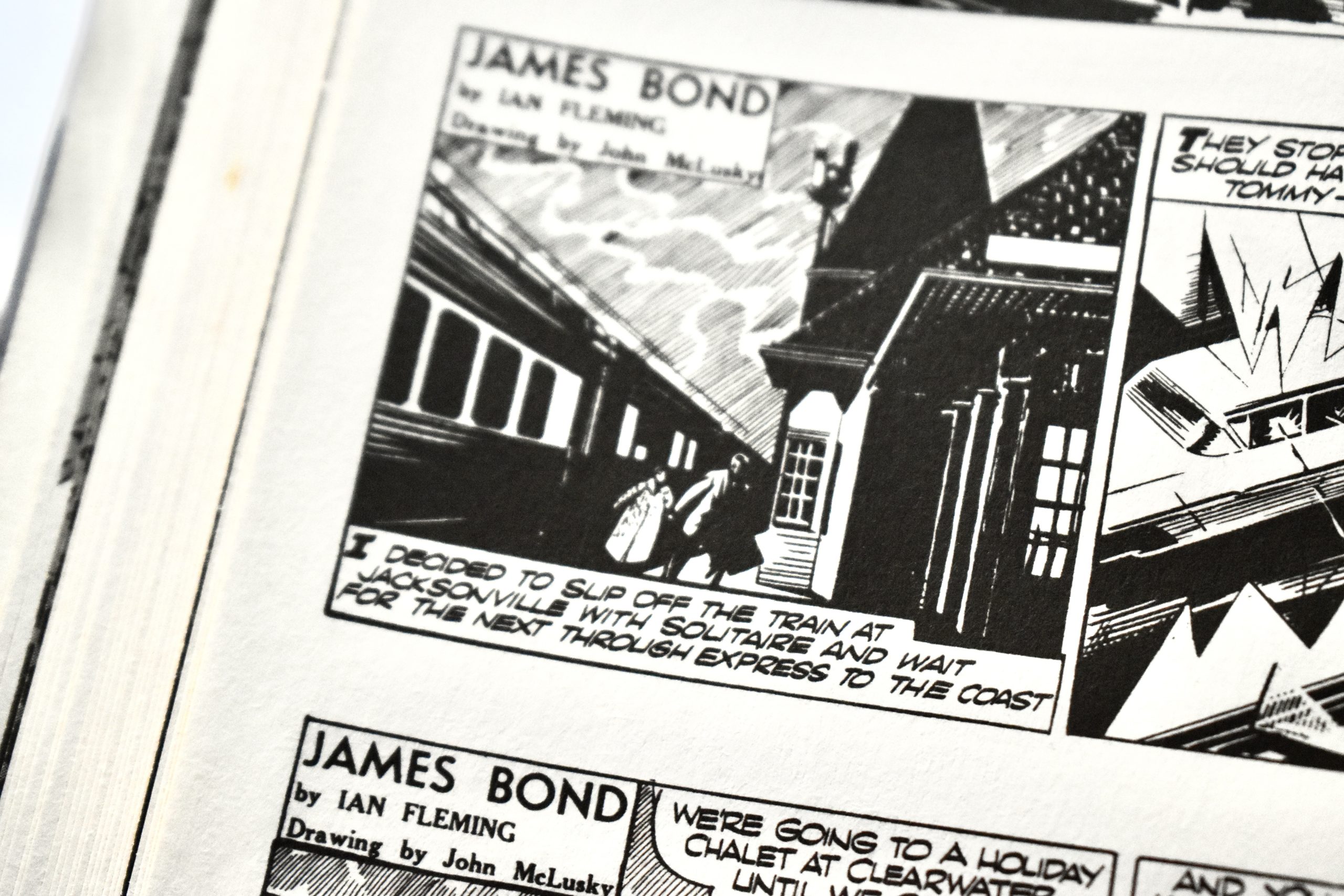
Bond and Solitaire disembark quickly without attracting attention.
Solitaire describes St Pete as a place without crime, where old people go to enjoy the sun before they die. Bond compares it with Torquay and Bournemouth.
Fleming then allows Bond to deliver an excoriating review of the breakfast and American coffee. These observations are wonderfully characteristic of Bond: he can be in the middle of a dangerous mission and still have strong opinions about breakfast.
When Bond meets Felix, he learns that his train carriage was attacked with Tommy guns and pineapple bombs. Solitaire is spotted and reported to Mr Big.
Bond and Leiter investigate the warehouse, where Leiter is caught out in a lie concerning where his boat is moored. A robber shoots a pelican and warns them to leave. The tension is beginning to build again, with Mr Big’s organisation seemingly always one step ahead.
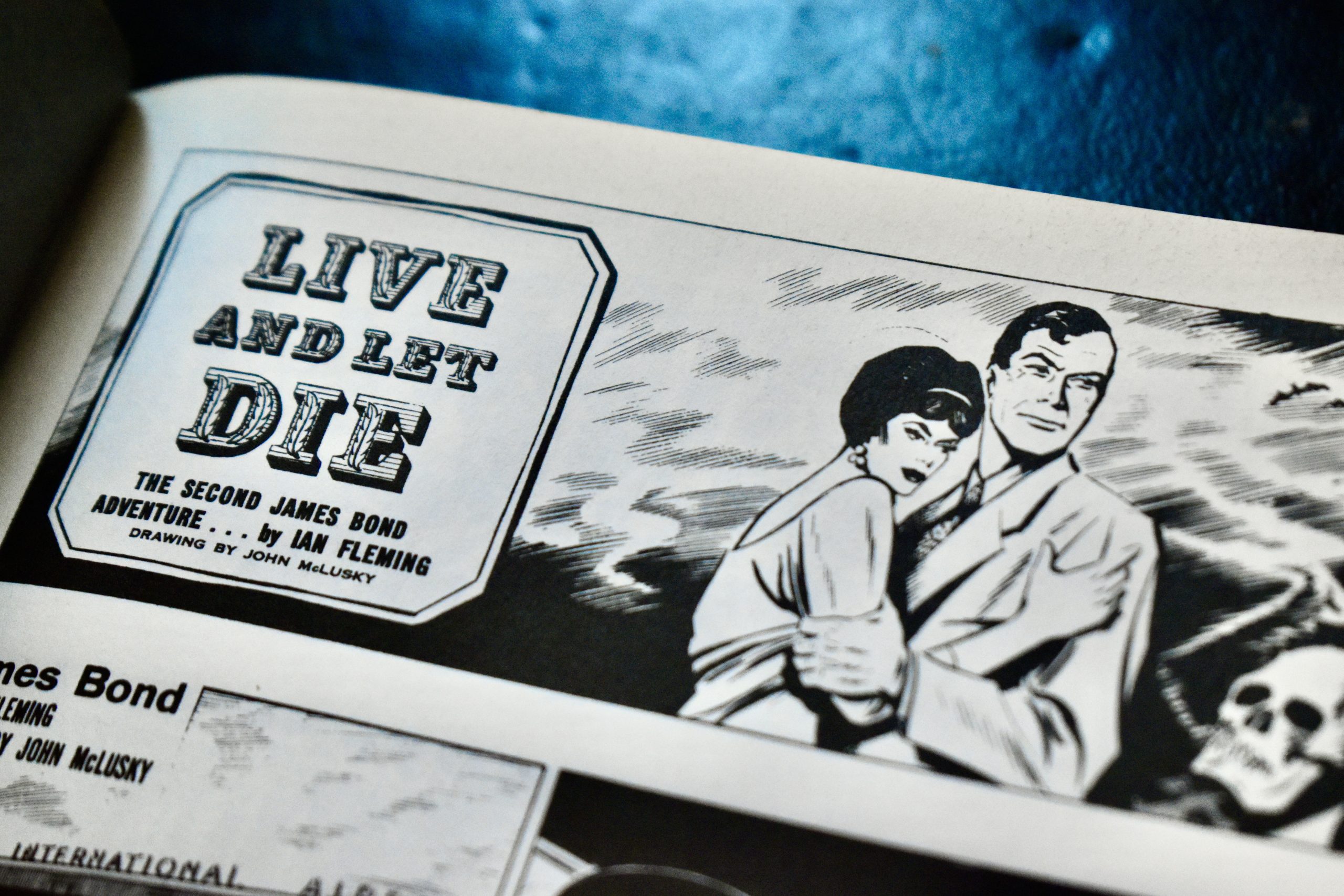
Chapter 13
Bond and Leiter drink Haig and Haig together and begin connecting the clues. According to WIKI;
Haig is a brand of Scotch whisky, produced by Diageo in Scotland. They offer 4 whiskies, one of them being Haig and Haig Dimple Pinch, the U.S. version of Haig Dimple).
The robber they have been trying to identify is connected to the Ourobouros worm and bait factory. Felix tells Bond to keep Vesper in hotel why they go investigate.
‘Tell her she’s not to move till we get back. Lock her in. We’ll take her out to dinner in Tampa . They’ve got the best restaurant on the whole coast, Cuban,”Los Novedades”.’
According to this article;
Los Novedades was sold in 1972 to a New York conglomerate and in 2018, the $52 million Hotel Haya project began, building a 180-room boutique hotel taking the entire block. The cigar-themed hotel opened in 2021.

Las Novedades Restaurant, E. Broadway and 15th Street, front facade of two story stucco building with tile roofed tower. 1946 Burgert Brothers. Courtesy, Tampa-Hillsborough County Public Library System
Fleming again allows Bond’s thoughts to wander into observations about restaurants, American cars and the differences between America and Europe.
There is a reference to the starlings of Trafalgar Square, while Fleming’s descriptions of the old people in Tampa are short and concise.
I particularly like this style. At times it feels almost like reading Fleming’s notebooks. The descriptions can be so brief that they resemble bullet points, but they give the impression that we are seeing the world through Fleming’s own observations.
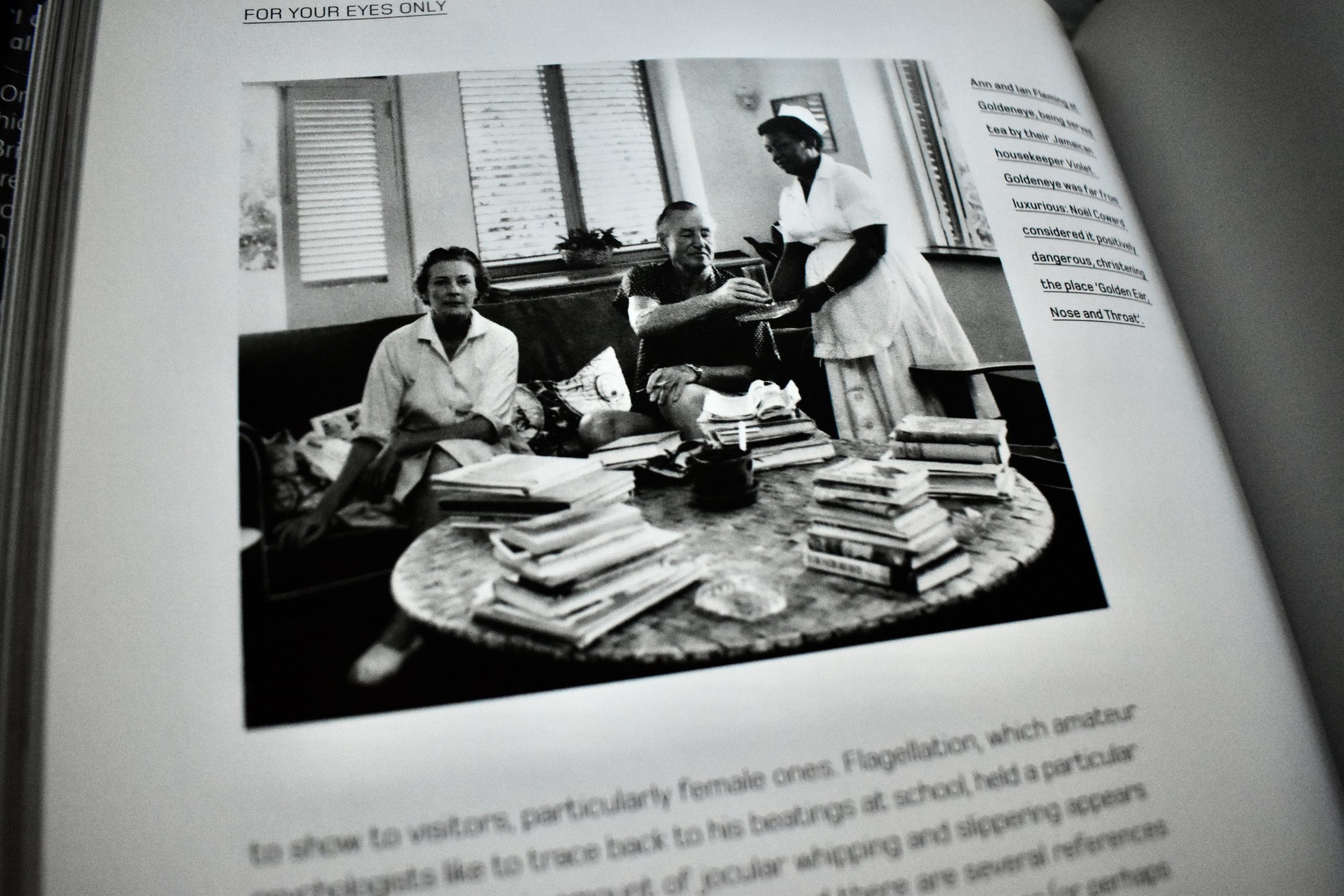
Chapter 14
Leiter goes to the warehouse without Bond.
Bond receives deliberately misleading information about what has happened and is sent to the hospital as part of a ruse. When he returns to the hotel, he discovers that Leiter has been brought back — and that he is in terrible condition.
This is the section that comes closest to Licence to Kill. We don’t initially know exactly what has happened to Leiter, but the implication is that he has been attacked by something that has eaten him.
The note left behind says that ‘he disagreed with something that ate him’. There is also an additional line, “We have plenty more jokes as good as this.”, which doesn’t appear in the film.
Bond receives orders to go to Jamaica, while Solitaire has been kidnapped.
This chapter is dark without being excessively graphic. Fleming allows the reader to imagine the bloody reality rather than describing every nauseating detail. The film could arguably have gone further with the gore, although it was already pushing the boundaries with the censors as the first Bond film to receive a 15 rating.
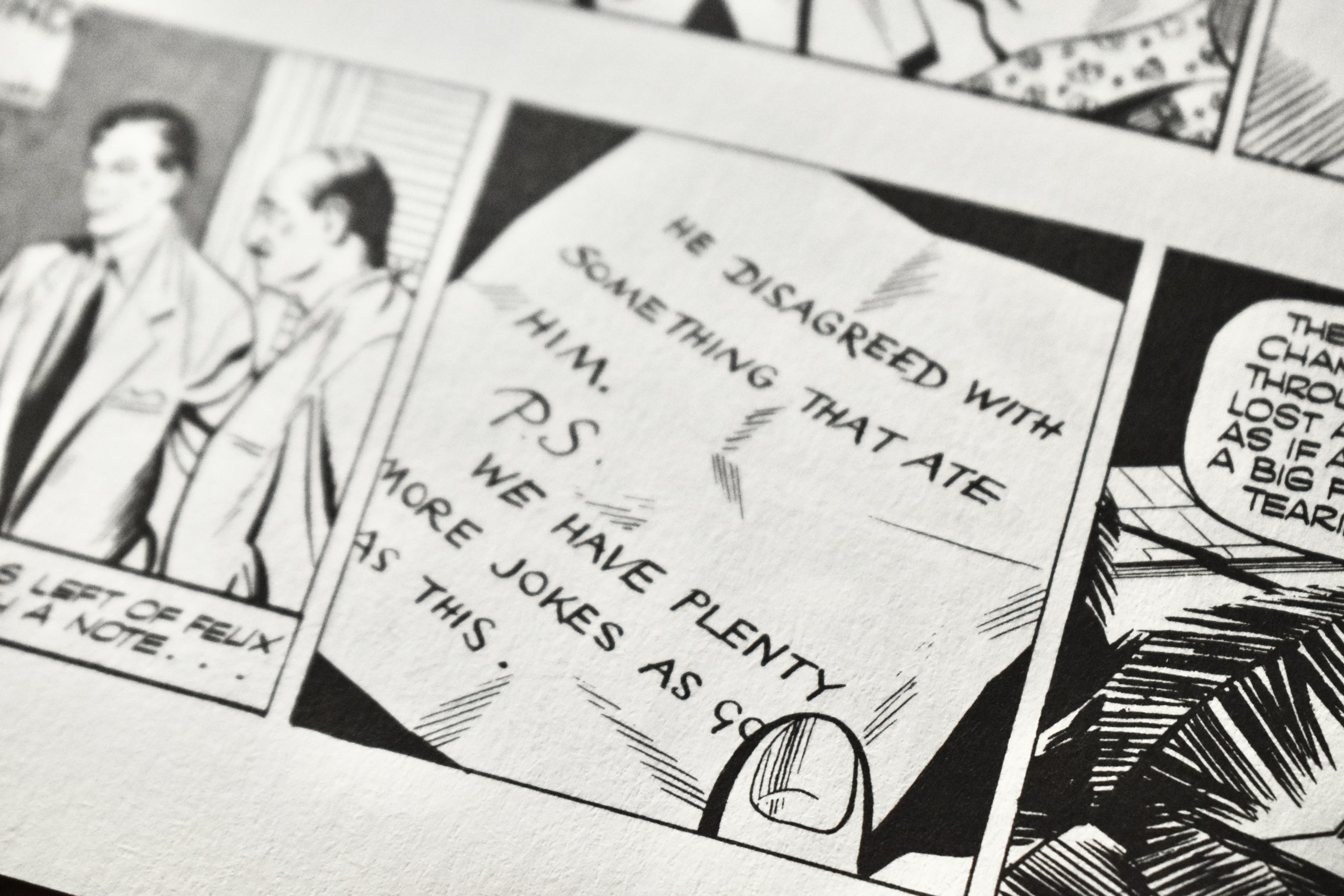
Comic Strip of Ian Fleming’s Live and Let Die
Chapter 15
There is lots of Licence to Kill imagery as Bond breaks into the worm and bait warehouse.
Fleming spends considerable time describing different kinds of fish. You really get the impression that Fleming being a hobbyist marine biologist enjoys these moments. He is flexing his creative muscles and indulging his fascination with the natural world.
Bond discovers that the gold coins are being hidden in tanks containing venomous fish.
Licence to Kill changes the treasure into drugs, specifically heroin, and introduces elements such as the CIA double-cross and Killifer played by Everett McGill that aren’t present in the novel.
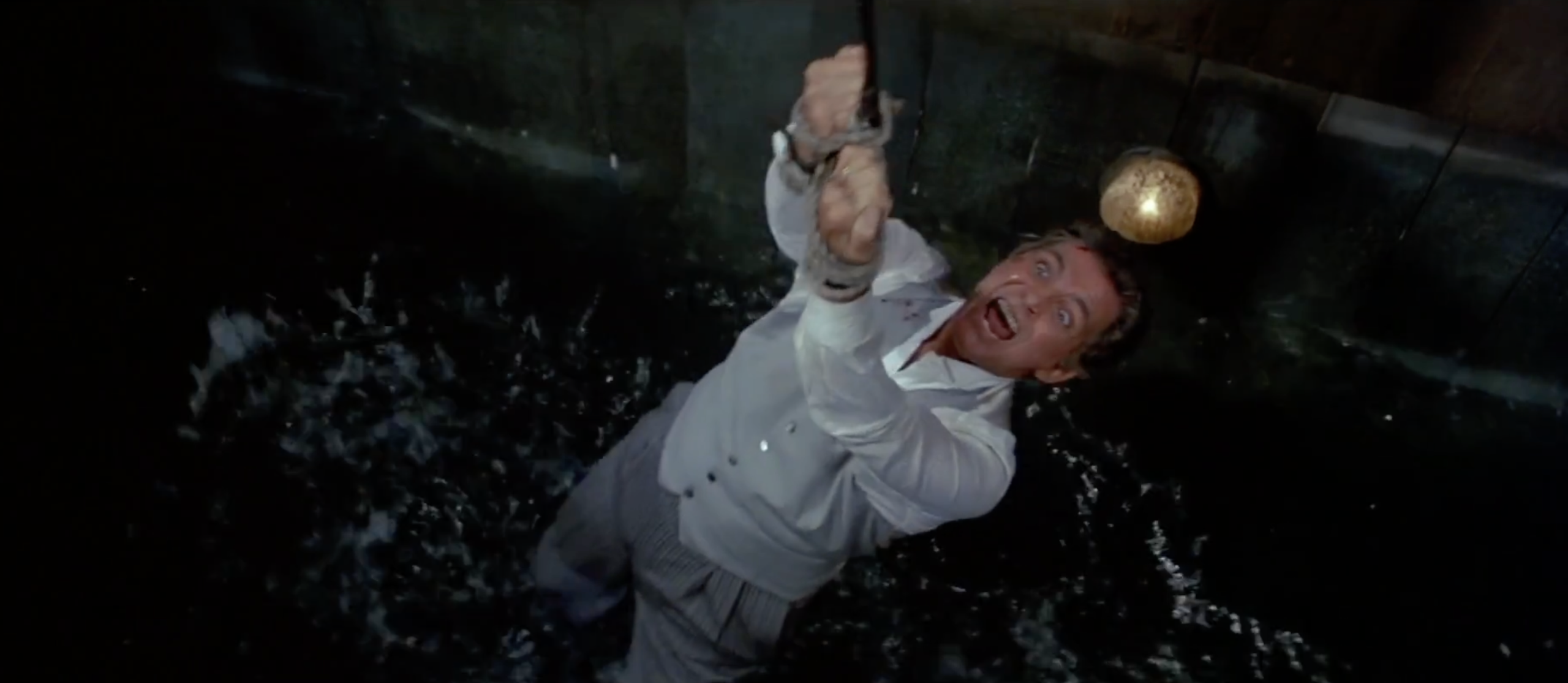
Bond does, however, send the robber into the shark tank after reflecting on what must have happened to Leiter.
Chapter 16
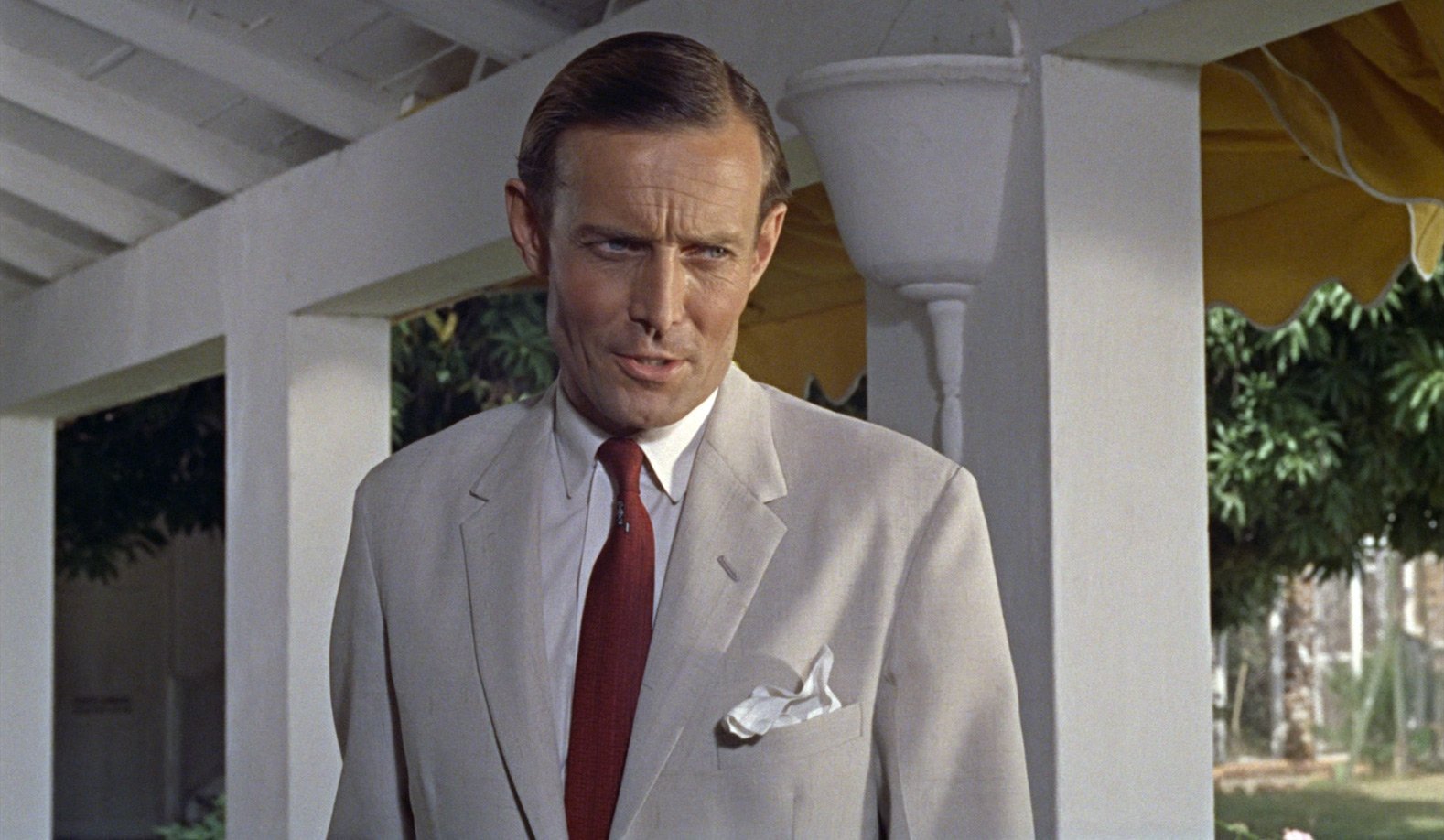
Bond gets some food, mentions various bars and restaurants, and then boards a plane.
Once again, Fleming is as interested in geography as he is in espionage. We get a sense of the Florida coastline, the towns and the landscape as Bond travels towards Jamaica. There he meets Strangways, a name that will be familiar from Dr No, and Quarrel is introduced for the first time.
It is interesting to see how much of Live and Let Die is subsequently spread throughout the Bond films. Mr Big’s boat is the Secatur, while the Voodoo mythology continues through rumours of bodies washing ashore. Mr Big harnesses this native fear and leverages it for his personal gain.
The chapter ends with Bond ordering frogman equipment from Strangways, who is also working for the British.
Chapter 17
I love the way Fleming describes the water, particularly his use of colours and shapes.
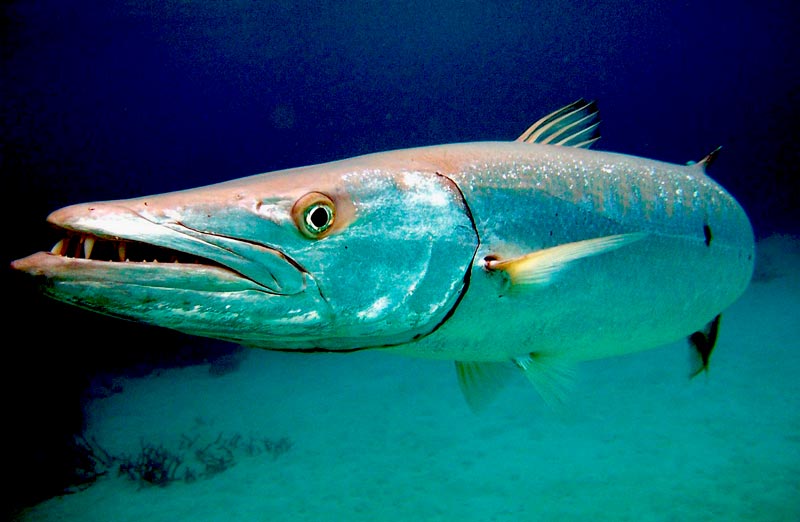
Quarrel gives Bond lessons in nature, and the two have a narrow escape involving dangerous Barracuda that Quarrel calls, ‘mean fish.’
There is also a great line about Bond losing his “city scales” and gradually regaining his strength.
Felix will be okay, which provides Bond with some emotional relief. Bond even admits that he misses him. That simple admission reinforces just how important Leiter has become to Bond.
Chapter 18
There is a mention of Q Branch and more descriptions of gadgets, along with — inevitably — more fish.
Bond is prepared for his mission and has his first drink of the week. Strangways is more influential here than he is in Dr No, and there is a definite sense of the cinematic Bond formula beginning to emerge.
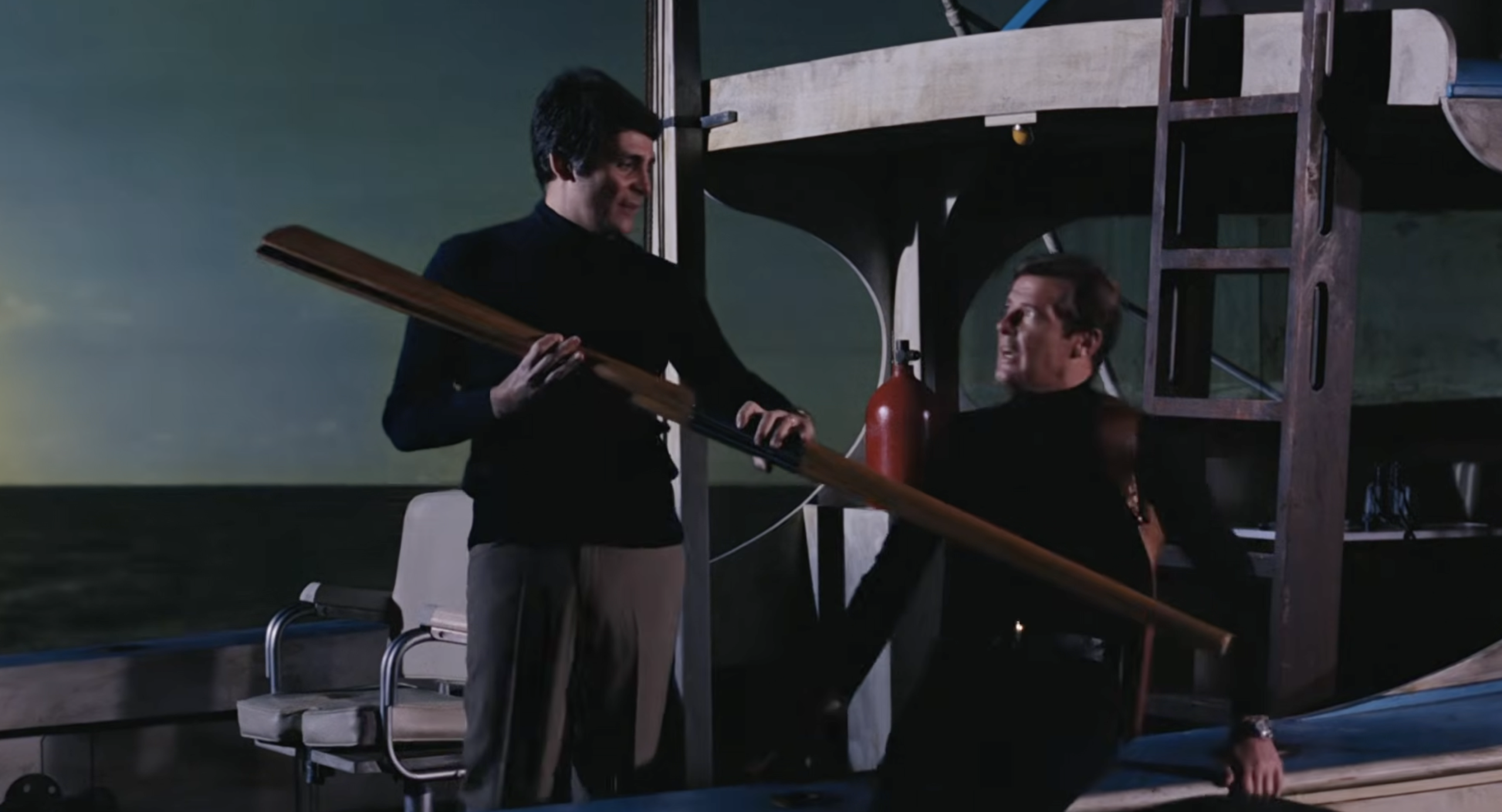
Bond leaves his team behind and heads towards the Voodoo island, creating a feeling that he is entering a world increasingly removed from ordinary civilisation.
Ian Fleming’s Live and Let Die (EON Productions 1973)
Chapter 19
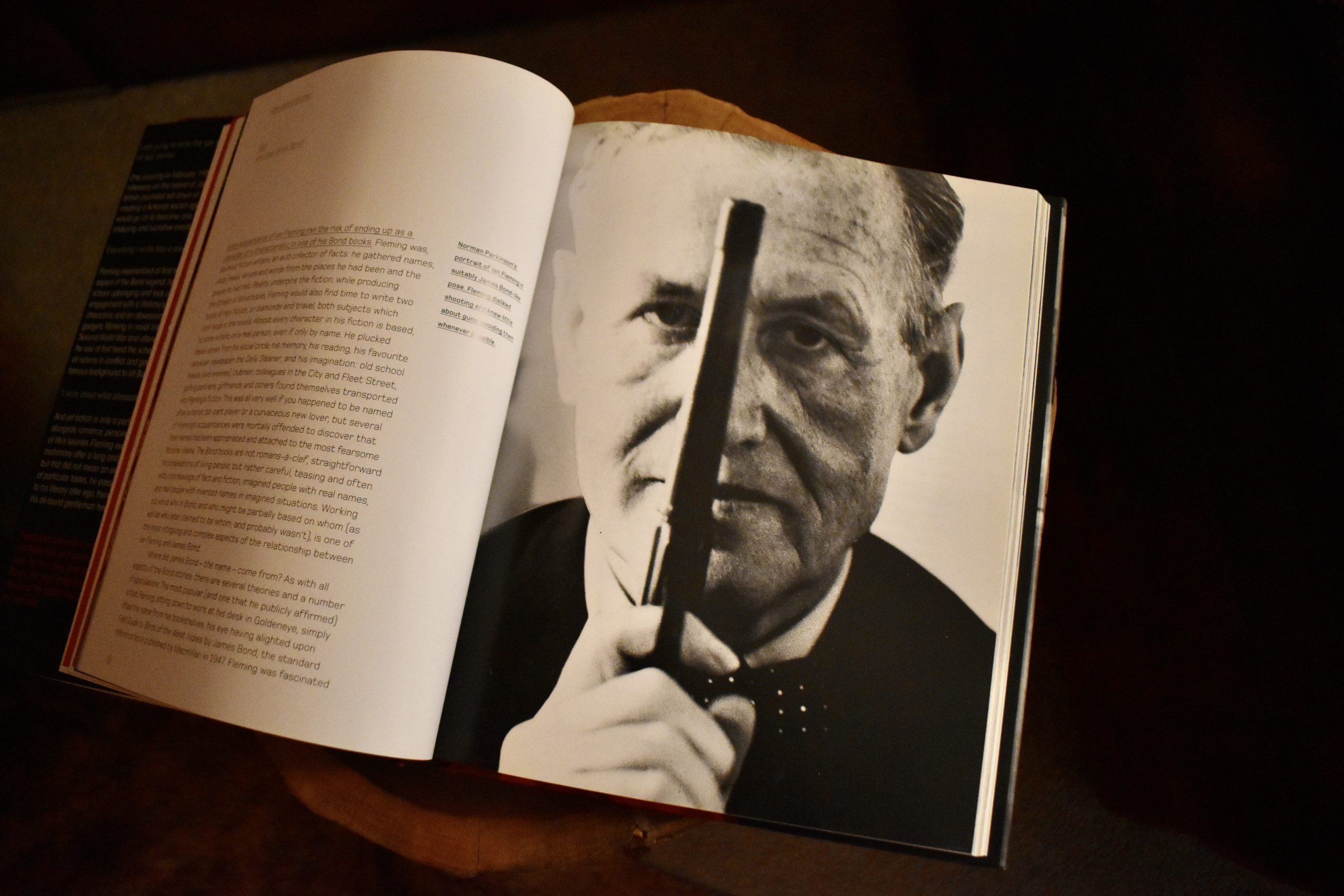
Fleming is really paying considerable attention to underwater Bond.
Bond’s underwater adventures almost become their own genre within the novels and, for my money, they are far more interesting to read and imagine than they are to watch on screen.
He has a confrontation with an octopus, another creature that seems to fascinate Fleming, before reaching the heel of Mr Big’s boat, the Secatur.
They are throwing chum into the water, and the atmosphere becomes increasingly threatening. The sea is almost another character in the novel.
Chapter 20
Bond is captured, apparently betrayed by an octopus (which had drawn blood on Bond which blew his cover) and brought into Mr Big’s hands.
Mr Big’s description of “fly to a spider” is another indication of the almost mythological way Fleming thinks about the relationship between predator and prey. There is also the image of the minnow and the whale, which recalls Dr No.
I got a little lost here, but Bond is undoubtedly captured and the situation is becoming increasingly desperate.
Chapter 21
This is a great chapter because Fleming describes keelhauling in detail, providing Mr Big with a particularly creative method of killing people.
It also ties into his fascination with science and marine life. Bond is to be dragged over coral, creating a brutal physical ordeal that is reminiscent of the dangers found in For Your Eyes Only.
Solitaire is going to die with him, making the situation even more desperate.
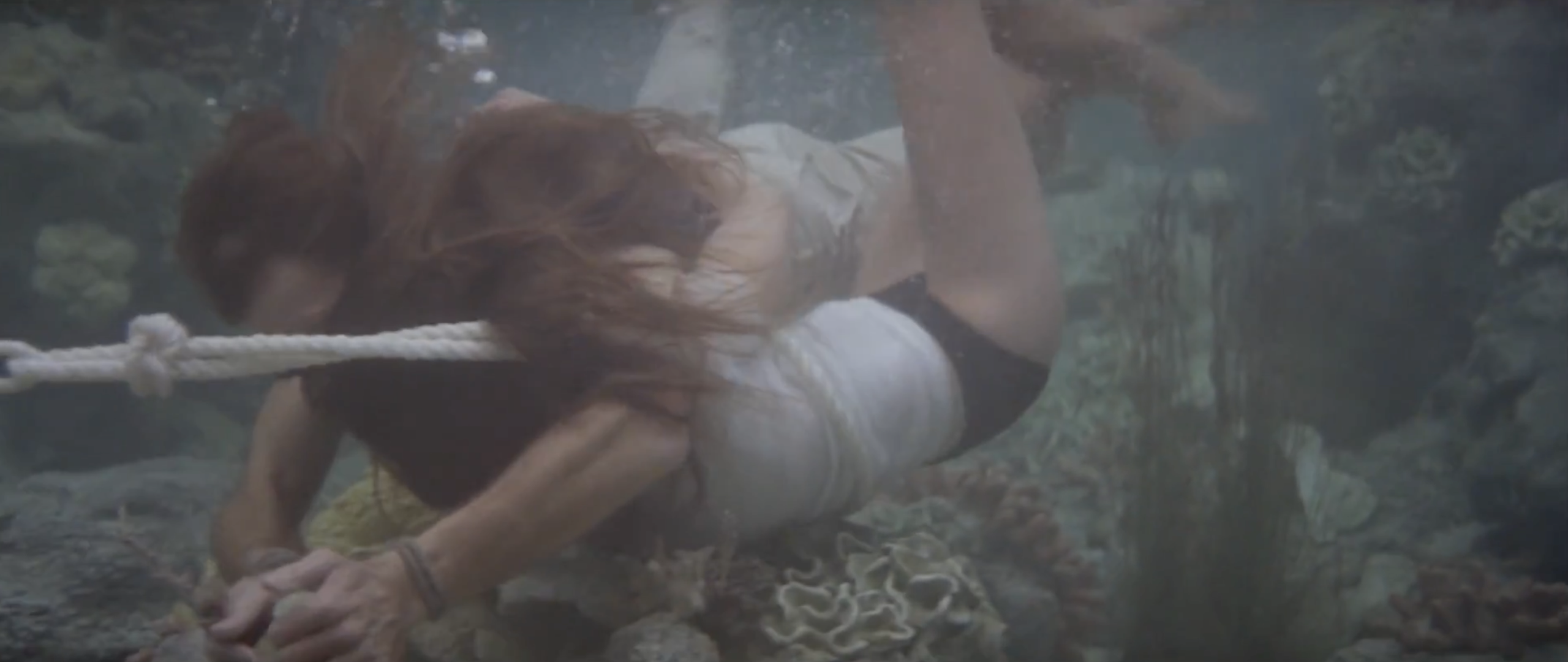
For Your Eyes Only (EON Productions 1981)
Chapter 22
The keelhauling sequence is frantic. The short sentences give the writing a pounding rhythm. The action almost has a pulse to it.
Bond eventually blows up the yacht with a limpet mine. Interestingly, Fleming doesn’t simply say that the boat exploded. Instead, Bond experiences the explosion almost as a punch to the stomach.
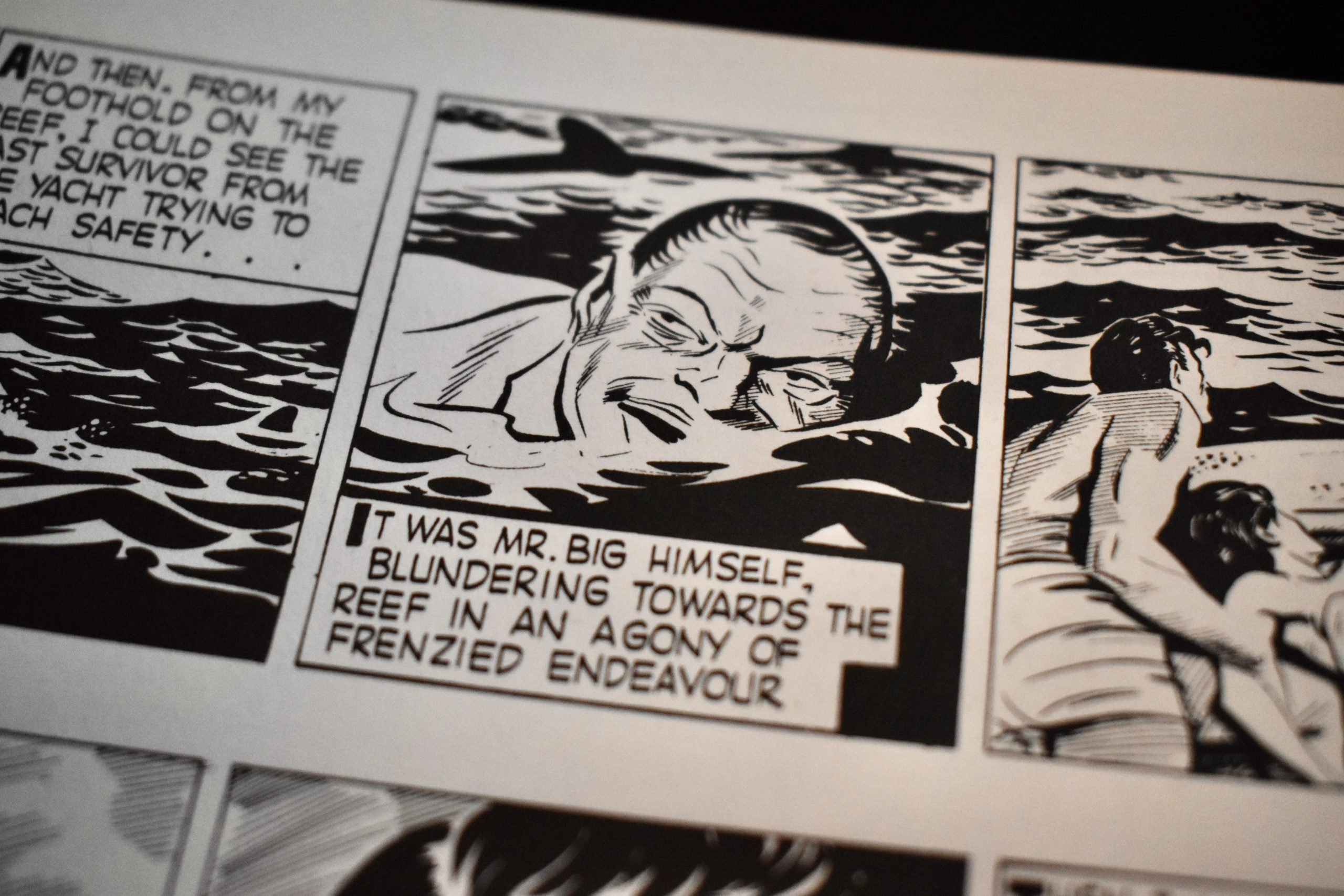
Then Mr Big attempts to swim towards them, only to be attacked and eaten by barracuda and a leopard shark.
It is a classic case of being hoist by his own petard. Mr Big has built his entire world around fear of the sea and its creatures, and ultimately the sea destroys him.
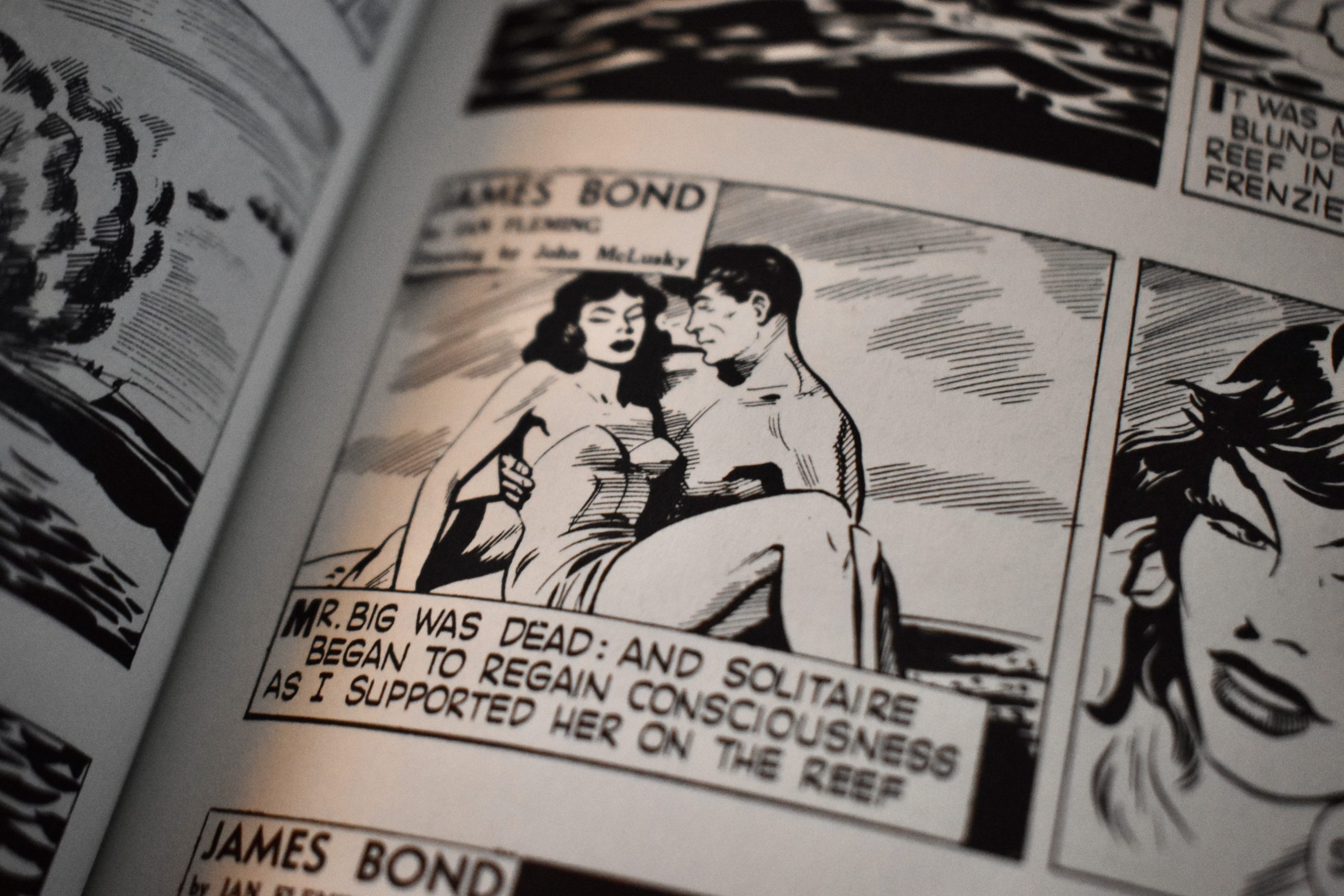
Bond is rescued by Quarrel.
And Bond cries a tear.
Chapter 23
Bond receives compassionate leave with Solitaire.
There is another example of Fleming’s slightly non-linear storytelling, moving backwards and forwards between the present and the past. I like the way information is revealed when Fleming thinks we need it rather than simply presenting everything in chronological order.
The personal elements work well, while the travel and location writing remain some of the strongest aspects of the novel. The Morgan gold plot is interesting, particularly the idea of pirate treasure being smuggled into America.
Fleming clearly enjoyed writing about Jamaica and the natural world, particularly the underwater sequences. His enthusiasm for the subject comes through in the descriptions.
There is no mention of Leiter at the end, which feels slightly strange given how important their relationship has been throughout the story.
Ultimately, Live and Let Die is a fascinating Bond novel. Its racial language are of their time, and could affect how the modern reader experiences the book. But as a piece of adventure writing, it contains some superb atmosphere, memorable characters and genuinely effective sequences of suspense and horror.
What makes it particularly interesting is how much of the novel’s DNA survives throughout the Bond films. Licence to Kill in particular owes an enormous debt to it.
And for me, perhaps the most surprising conclusion is that this is almost as much a story about Bond’s friendship with Felix Leiter as it is about Bond and Solitaire. Leiter’s suffering gives Bond a personal stake in the mission, and their friendship provides the novel with an emotional dimension that the film adaptation doesn’t fully capture.
The novel is at its best when Fleming is observing — America, Jamaica, food, drink, music, cars, people and especially the sea. Those passages sometimes feel like glimpses into Fleming’s own notebooks, and they are what give Live and Let Die its distinctive character.