The Casino Wardrobe: What Bond Films Reveal About Men’s Formalwear
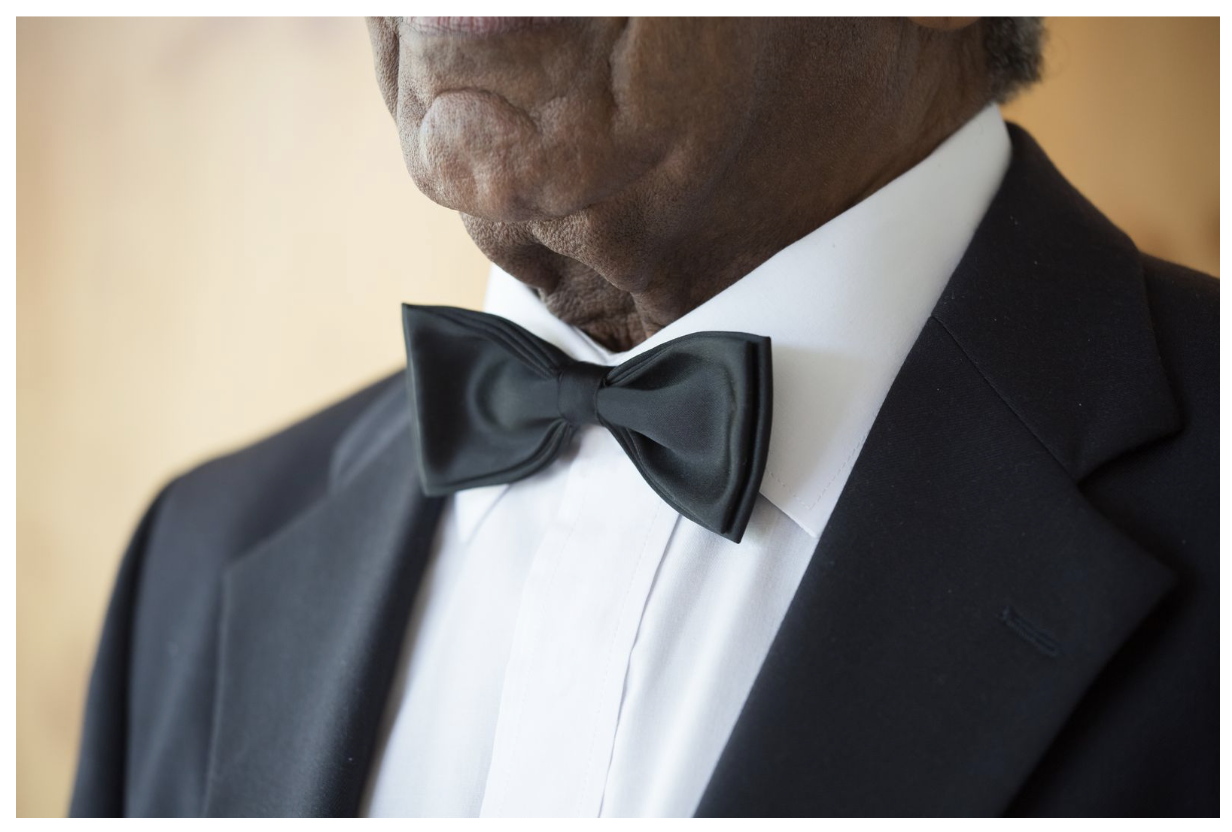
James Bond’s casino wardrobe works because the clothes explain how he occupies the room. A dinner jacket establishes the social setting; the shirt and bow tie direct attention towards the face; the fit lets controlled movement appear effortless. The effect depends on relationships between details, not simply a familiar actor wearing an expensive label.
Casino Royale offers a particularly useful case because documented costume pieces can be separated from assumptions about screen appearance. For someone interested in men’s formalwear, the productive question is what a specific garment contributes to the image. Copying a whole costume without considering setting or fit can miss the mechanism that made it convincing.
Begin with the garment that can be documented
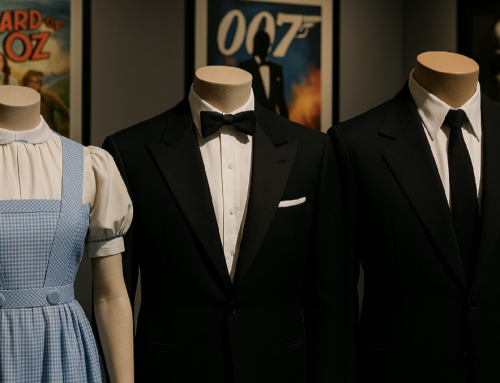
Christie’s Casino Royale costume record describes a black wool Brioni dinner suit made for Daniel Craig as Bond in the 2006 film. The single-breasted jacket has peak lapels trimmed in grosgrain silk. The associated pieces include a white Turnbull & Asser dress shirt, black bow tie and cufflinks.
Those details establish more than a general claim that Bond wears black tie. The lapel treatment introduces a change of texture while keeping a narrow colour range. The white shirt creates contrast inside the jacket’s opening. A bow tie completes the framing without adding another long vertical element across the chest.
The documented costume should not become a universal specification for every Bond appearance. Different films use different garments, and an auction record identifies the pieces it describes. Treat a claimed screen match as something to establish rather than a label automatically transferable to another suit.
What the opponent’s shirt can communicate
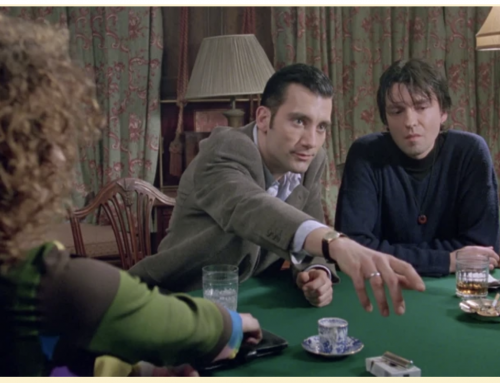
Turnbull & Asser’s account of dressing Bond describes Bond in a white shirt and Le Chiffre in black in Casino Royale. That contrast offers a visual distinction across the table before a viewer has decoded every action in the poker game.
A limited palette gives small changes more weight. Collar shape, the opening around the neck and the amount of shirt visible can alter the impression of formality. Costume design uses those relationships to support character, while an everyday wearer has a different task: making the clothes appropriate for the actual event.
Material also affects how contrast appears under light. A textured lapel can register differently from the jacket body without introducing another colour. Compare the actual fabrics together rather than choosing separate pieces from photographs taken under different lighting.
The screen has changed the setting of a wager
A physical gaming room makes dress part of the encounter. Mobile sports wagering removes that social setting while retaining decisions about money and outcomes. Anyone assessing an indian online betting APP needs to examine markets, odds and account records rather than importing a film character’s confidence into a prediction. A football match-winner market concerns a sporting result, whereas a poker scene may turn on an opponent’s decisions. The clothing tells the audience how to read a character; it cannot establish the probability of a real match.
The same distinction applies to the device carrying the interface. An elegant screen says little about which wager has been accepted. A reader considering the MelBet APP for iphone should be able to identify the selected event, cash stake and accepted price before confirming a sporting selection. Live prices can change while a request is being prepared. A visible confirmation and transaction reference provide more useful evidence than the atmosphere borrowed from a casino film.
Different suppliers, different cuts
The official announcement for No Time To Die records Tom Ford’s work with costume designer Suttirat Anne Larlarb on Daniel Craig’s wardrobe. Eveningwear formed part of a broader selection of tailored and casual clothing. Bond’s screen identity therefore survives changes in supplier and setting.
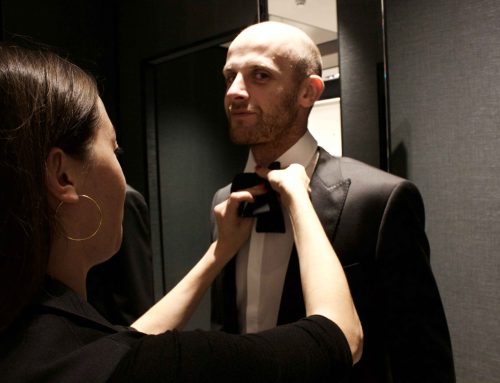
For a wearer, fit still needs an individual assessment. A jacket should sit properly at the neck and shoulders rather than depending on a dramatic pose. Sleeves and trousers must work when moving, and the shirt should remain comfortable through an evening seated at dinner.
A close fit on screen can also be a costume decision. Reproducing the same outline without considering the wearer’s movement, proportions or occasion can create strain rather than composure. Inspect how the cloth falls before deciding whether a narrower silhouette is actually an improvement.
Build an outfit from compatible parts
A practical fitting review can focus on four relationships:
- The jacket collar sitting against the shirt collar.
- The sleeve showing an intentional amount of shirt cuff.
- The trousers hanging cleanly rather than collecting excess fabric.
- The bow tie and shirt front remaining proportionate to the jacket opening.
Examine those details together. A shirt chosen independently may change the way the entire jacket opening reads. A trouser length that works with one pair of shoes may look different with another.
Try the outfit seated as well as standing, with the intended shoes and shirt. Reach forward, turn and walk before judging the silhouette in a mirror. The useful lesson from a screen costume is control over the whole composition; the final test is whether that composition remains coherent when the wearer stops posing and begins the evening.