On Her Majesty’s Secret Service has one of the boldest endings in the Bond franchise, mostly because it has the nerve to do something these films usually avoid: make Bond genuinely happy for five minutes, then immediately punish everyone for it. It’s not just sad. It’s rude. And that is exactly why it works so well.
For most of the movie, it seems like we’re getting a slightly more romantic, slightly more emotionally available Bond entry, still full of all the usual ingredients, of course. There’s the villain with the world-threatening plan, the glamorous locations, the alpine action, the tailored outfits, and the general feeling that Bond will, as always, come out the other side looking mildly inconvenienced at worst. But On Her Majesty’s Secret Service is sneakier than that. It lures you in with the usual spy-thriller polish, then quietly builds toward something the series almost never allows itself: sincerity.
And the wedding is the turning point.
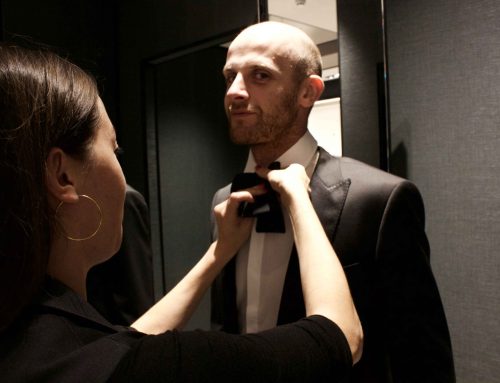
That wedding isn’t played like a joke, a temporary fantasy, or one of Bond’s usual romantic detours before he returns to bachelor mode and martinis. The film treats it with surprising earnestness. Bond and Tracy actually seem happy, unambiguously, sincerely, almost suspiciously happy. Tracy isn’t framed as just another Bond girl waiting to be placed decoratively beside an exploding set piece. She has presence, intelligence, sadness, resilience. More importantly, she feels like someone Bond truly chooses, rather than someone the screenplay assigns to him between action sequences.
So when the wedding arrives, it matters. It feels soft and hopeful in a way that’s almost dangerous, because if you know anything about movies, you know excessive happiness is often just the universe setting a trap. The wedding gives the film a warmth that the Bond franchise typically keeps at arm’s length. For a brief moment, Bond doesn’t seem like a glamorous government instrument designed to seduce, shoot, and smirk on cue. He seems like a man who might actually want a life. A real one. With a wife. Possibly even with basic emotional continuity.
Naturally, the film cannot let that stand.
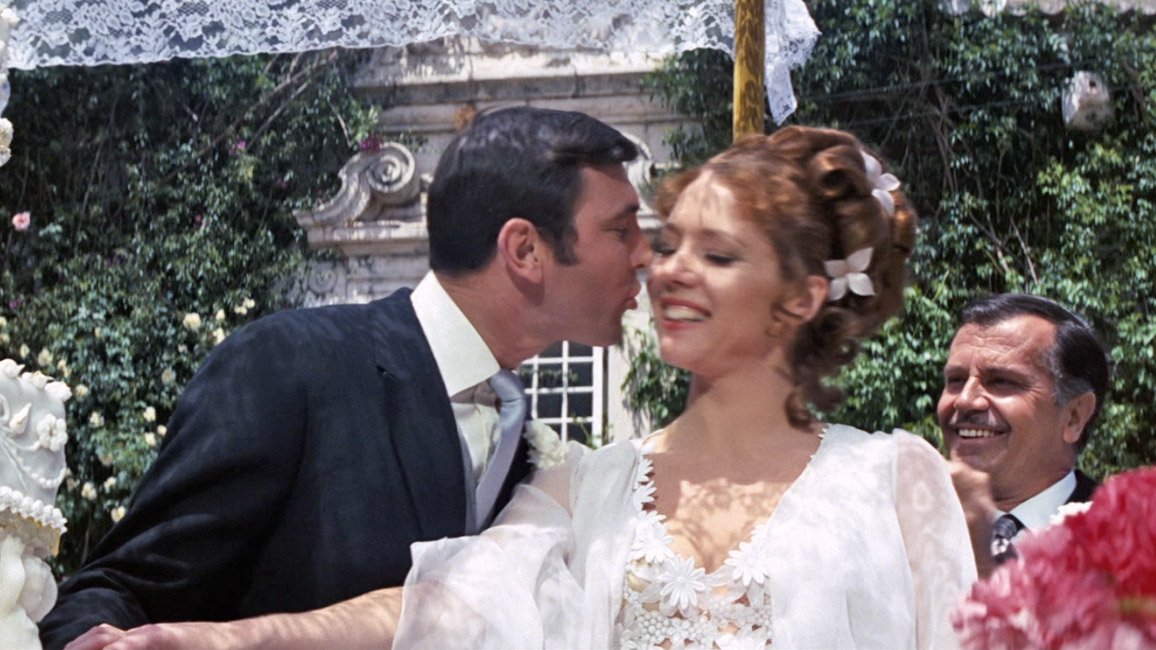
Photo : BONDSUITS.COM
What makes the ending so impactful is how casually it unfolds. There’s no huge, operatic warning that tragedy is around the corner. No flashing neon sign reading: Brace yourself, misery incoming. Bond and Tracy are just driving, talking, existing in that lovely post-wedding glow. It has the rhythm of a peaceful epilogue, the cinematic equivalent of “and they lived happily ever after,” except the movie has other ideas and is in a deeply foul mood.
Then comes the attack, and it is horrifying precisely because of how abrupt and unceremonious it is. There’s no grand duel, no dramatic final showdown, no heroic sacrifice with swelling music and one last meaningful glance. The violence arrives with a bluntness that feels almost cruelly matter-of-fact. And that lack of theatricality is what gives it so much force. The film doesn’t romanticize tragedy. It just drops it into the car beside Bond and leaves him there to deal with it.
George Lazenby, who gets endlessly compared to other Bonds as if he’s being judged at a particularly hostile family reunion, is excellent in this final moment. The performance strips away everything iconic about Bond and leaves only shock. No gadgets. No cool line. No suave recovery. Just numb disbelief. When he says, “It’s all right… she’s having a rest,” it’s devastating because it sounds like the mind short-circuiting in real time. It’s denial dressed up as reassurance. It’s a man trying to speak normally while his world has just been obliterated in the passenger seat.
And the film, to its credit, doesn’t rush to comfort us. It doesn’t cut to revenge. It doesn’t hand Bond his dignity back in the form of immediate action. It just stays there in the silence, which is frankly much harsher. Most franchise films are terrified of ending on emotional damage without smoothing it over. On Her Majesty’s Secret Service does not smooth. It leaves the wound open and tells you to sit with it.
That final stillness is what makes the scene unforgettable. The wedding has just shown us the version of Bond that could have existed outside the usual cycle of missions and disposable romance. It gives us a glimpse of permanence, tenderness, even stability—three things Bond movies usually treat like exotic foreign concepts. You can almost picture that wedding day preserved in a wedding photo book: the smiles, the optimism, the rare sense that this man had, against all odds, found something real. And that’s what makes the ending sting so badly. The happiness was not theoretical. The film made sure it was vivid first.
In the end, the final scene hits so hard because it doesn’t merely kill a character or deliver a twist. It dismantles the illusion of Bond’s invulnerability. For once, he cannot charm, shoot, or outdrive his way out of pain. The wedding makes him human. The ending makes sure we don’t forget it. It’s tragic, shocking, and handled with a quiet brutality that still feels unusual for the series. Bond finally gets married, and for one fleeting moment, it looks like happiness might stick. The movie then looks directly at that possibility and says, with impeccable dry cruelty, “Absolutely not.”